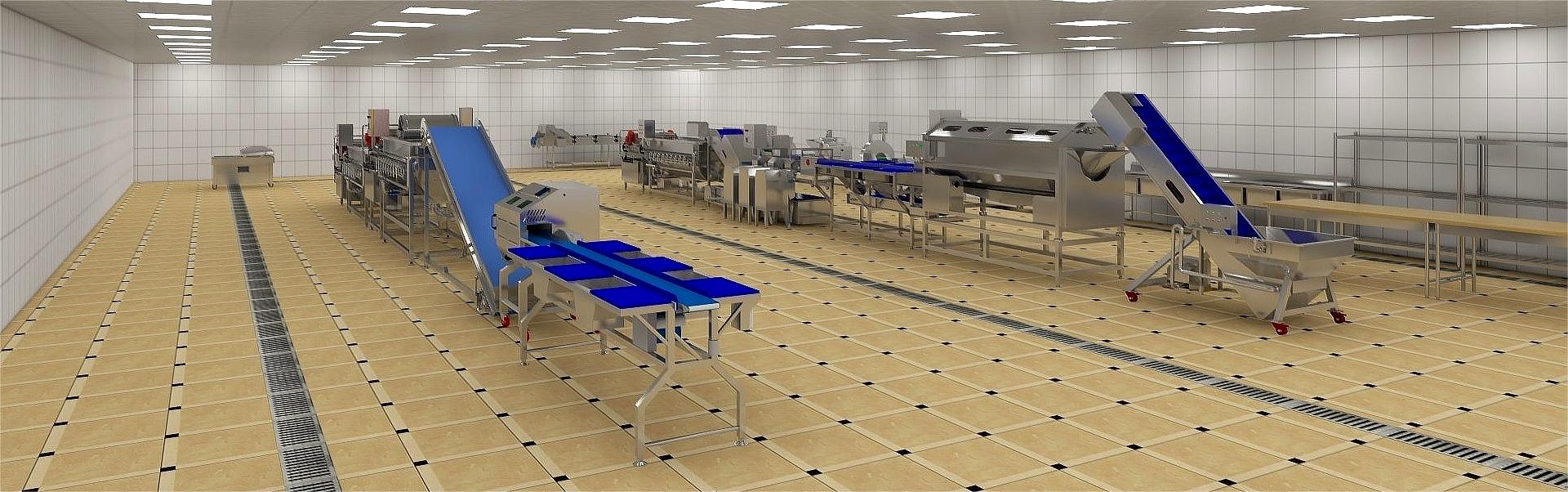
In today’s rapidly evolving food industry, automation is reshaping how manufacturers produce high-demand products. The Automatic Meatball Production Line has emerged as a core solution within modern Processing Lines, enabling efficient, hygienic, and large-scale meatball processing production for global markets.
Designed for continuous operation, the Automatic Meatball production line integrates multiple stages including meat grinding, beating, forming, cooking, and cooling into a single streamlined workflow. This fully automated system significantly reduces manual labor while improving consistency and output. According to industry data, such production lines can process hundreds of kilograms of raw meat per hour and maintain uniform size, texture, and quality across batches.
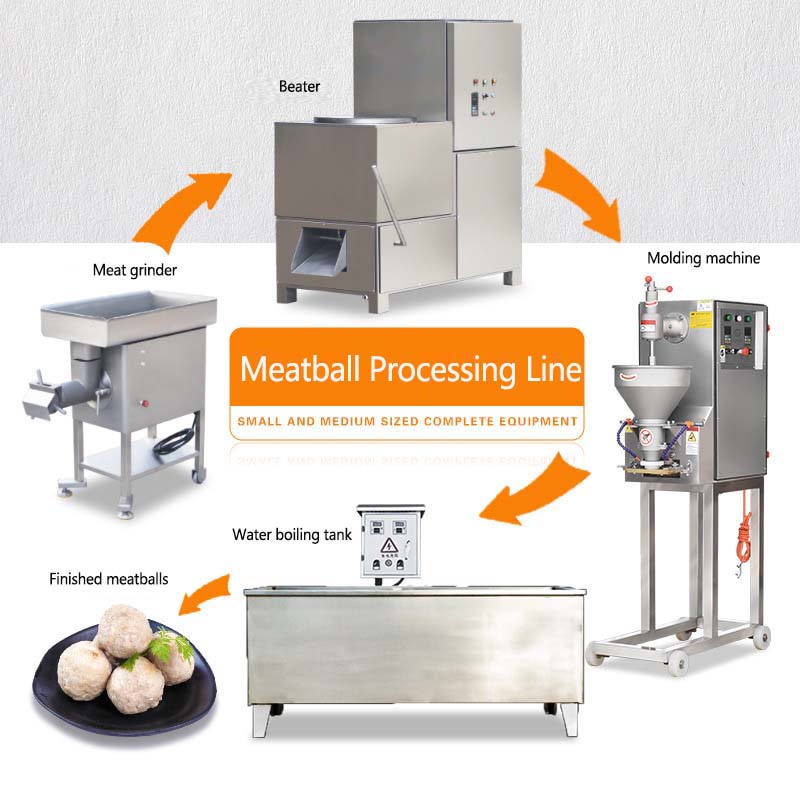
What Products Can Be Produced?
One of the biggest advantages of advanced meatball processing production systems is their versatility. These lines are capable of producing a wide variety of food products, including:
Beef meatballs, pork meatballs, and chicken meatballs
Fish balls and shrimp balls
Stuffed meatballs with fillings like cheese or vegetables
Plant-based or vegetarian protein balls
This flexibility allows manufacturers to expand product lines and meet the growing demand for ready-to-eat and frozen foods.
Applications Across Multiple Industries
The Automatic Meatball Production Line is widely used in:
Meat and seafood processing factories
Frozen food production companies
Central kitchens and catering supply chains
Supermarket ready-meal suppliers
With increasing demand for convenience foods, these Processing Lines play a critical role in ensuring stable supply and standardized quality across different sectors.
Key Features That Set It Apart
Compared with traditional manual production or semi-automatic equipment, modern meatball processing production lines offer several unique advantages:
Full Automation: From raw material processing to final shaping and cooking, the system minimizes human intervention and increases efficiency.
High Precision Forming: Advanced forming machines ensure each meatball has a consistent shape and weight, improving product quality.
Food-Grade Materials: Built with 304 stainless steel, the equipment meets strict hygiene and safety standards.
Customizable Configuration: Manufacturers can adjust capacity, product size, and processing steps based on production needs.
Energy Efficiency & Reduced Waste: Optimized systems lower energy consumption and minimize raw material loss.
Why Businesses Are Adopting Automated Processing Lines
The shift toward automation is driven by the need for scalability and consistency. Compared to manual production, automated meatball processing production lines can increase efficiency by several times while ensuring food safety and reducing operational costs.
Additionally, these systems help companies maintain competitive advantage by enabling mass production without compromising quality—an essential factor in today’s global food supply chain.
Future Outlook
As food processing technology continues to evolve, Automatic Meatball Production Line solutions will become even more intelligent, integrating digital controls and smart monitoring systems. This will further enhance efficiency, traceability, and product customization capabilities.
For manufacturers looking to upgrade their Processing Lines or enter the frozen food market, investing in a high-performance meatball processing production system is a strategic move.