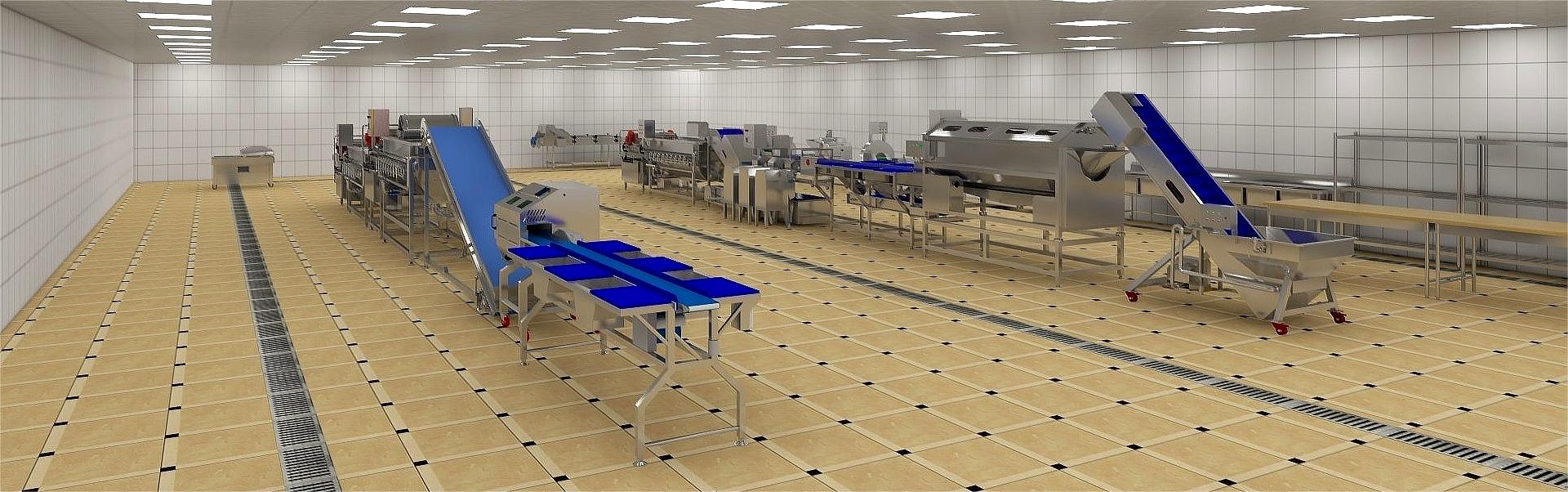
Poor cleaning efficiency and unqualified hygiene are common pain points restricting the development of fruit and vegetable processing enterprises. A high-performance bubble Vegetable Washing Machine is the core automated solution to solve these problems, widely applied in modern food processing factories and central kitchens. Replacing traditional manual washing and simple water flushing, this professional industrial cleaning equipment adopts innovative bubble surge cleaning technology. It thoroughly removes surface sediment, industrial impurities, residual pesticides and harmful microorganisms, while perfectly protecting the integrity of fragile fruits and vegetables. Featuring high working efficiency, ultra-low damage rate and full compliance with international hygiene standards, it has become an indispensable standard device for standardized and intelligent food production lines around the world.
1. Working Principle of Bubble Washing Machine
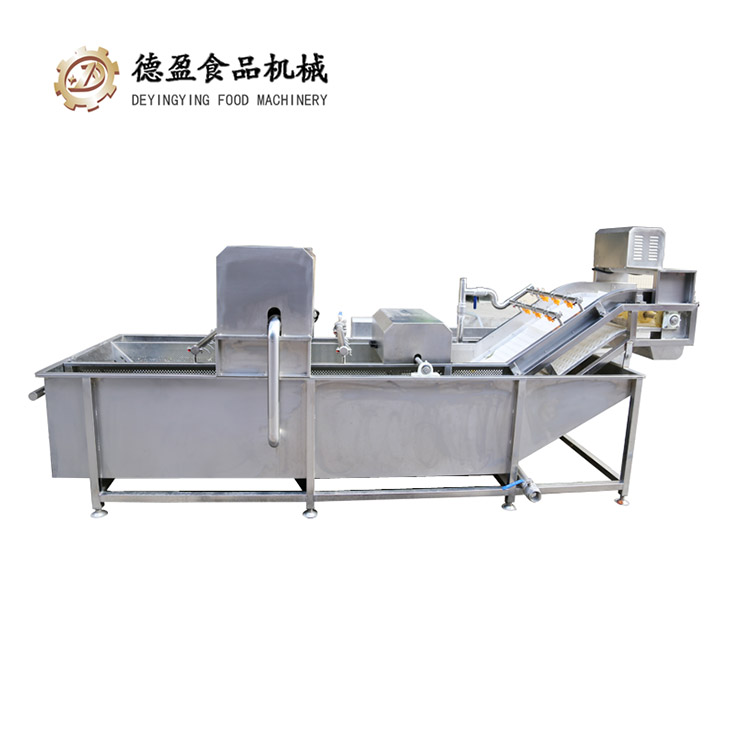
The core cleaning principle relies on high-density bubble generation and water circulation impact. The equipment generates a large number of fine and uniform bubbles through an air pump system. When the bubbles rise and burst in the water tank, they produce continuous micro-impact and turbulent flow on the surface of vegetables and fruits. This soft cleaning method can strip off dirt and residual pesticides hidden in vegetable gaps and folds without causing scratching, tearing or surface damage to the raw materials.
2. Key Advantages Over Traditional Washing Methods
Many food processing factories still rely on manual cleaning or simple pool cleaning, which brings low efficiency, unstable cleaning quality and high labor costs. The bubble washing machine completely solves these pain points. First of all, it features zero damage cleaning. The bubble soft surge cleaning avoids hard friction, making it suitable for fragile leafy vegetables and soft fruits that are easy to scratch and break.
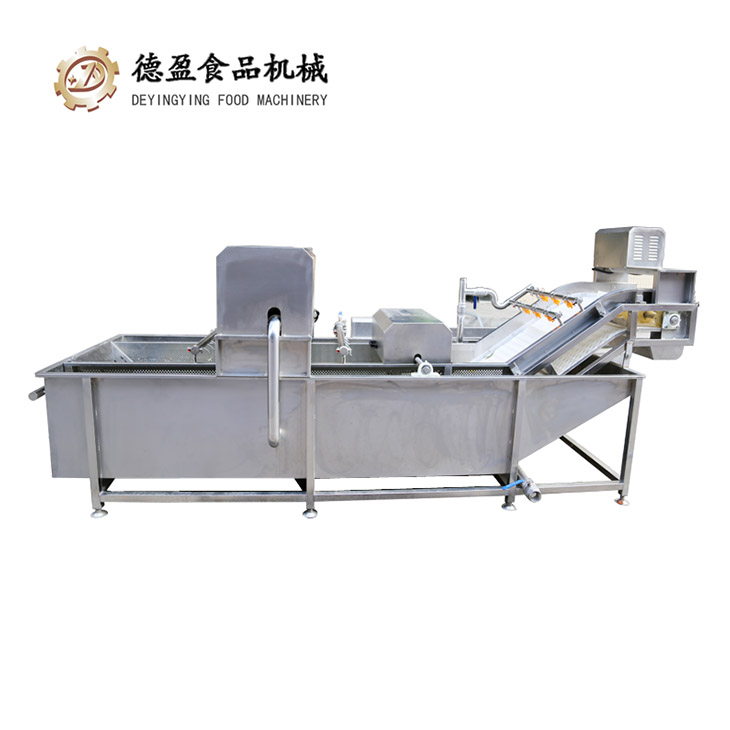
Secondly, it greatly improves production efficiency. The continuous feeding and continuous water circulation working mode supports uninterrupted mass production, which can replace multiple workers and effectively reduce labor expenditure. In addition, the circulating water design saves more water resources compared with traditional running water cleaning, helping enterprises reduce production costs and achieve green and environmentally friendly processing standards.
3. Suitable Processing Materials & Industry Scenarios
The bubble washing machine has strong compatibility and can adapt to almost all common fruits and vegetables. It is widely used for leafy vegetables such as spinach, cabbage, lettuce and celery, root vegetables including potatoes, carrots, radishes and onions, as well as various fruits like apples, oranges, strawberries and jujubes. It is also applicable for cleaning mushrooms, peppers and various agricultural by-products.
4. Hygiene and Structural Design Features
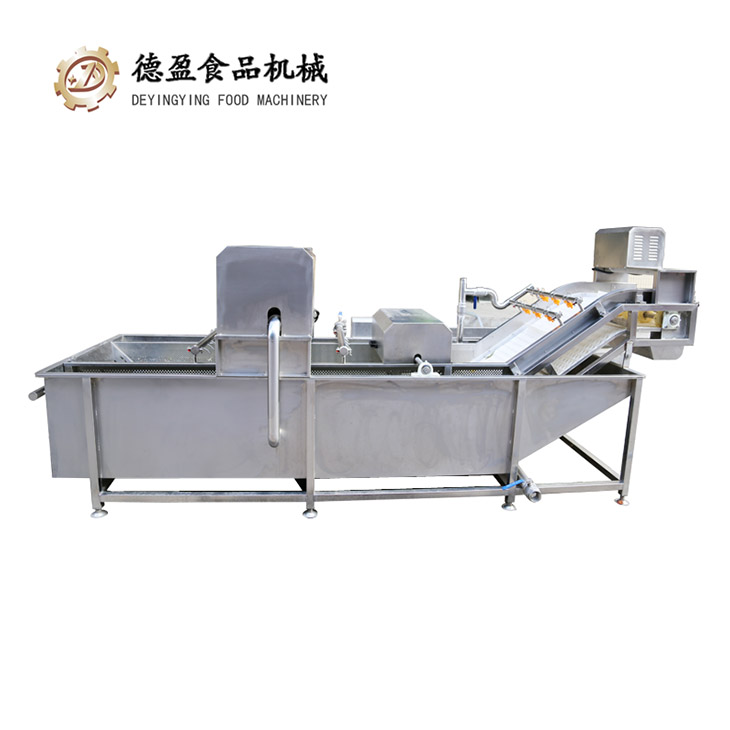
All parts of the bubble washing machine that contact food are made of food-grade stainless steel material, which is anti-corrosion, rust-proof and easy to clean. The overall streamlined structure has no sanitary dead corners, effectively preventing residue accumulation and bacterial growth. The detachable design facilitates daily disassembly, flushing and disinfection, fully complying with food workshop hygiene management standards.
The equipment is equipped with independent control panel, with simple and intuitive operation. Workers can adjust bubble intensity, running speed and circulating water volume according to different materials and cleaning requirements, realizing flexible and precise cleaning control.
5. Daily Use and Maintenance Tips
To ensure long-term stable operation, regular daily maintenance is necessary. After each production, clean the residual impurities and sediment in the water tank and filter screen to avoid blockage. Keep the air pump and pipeline unobstructed to ensure stable bubble output. Regularly check the tightness of the conveyor belt and the normal operation of the electrical system, and keep the equipment dry and tidy when not in use. Simple daily maintenance can effectively reduce failure rate and extend equipment service life.