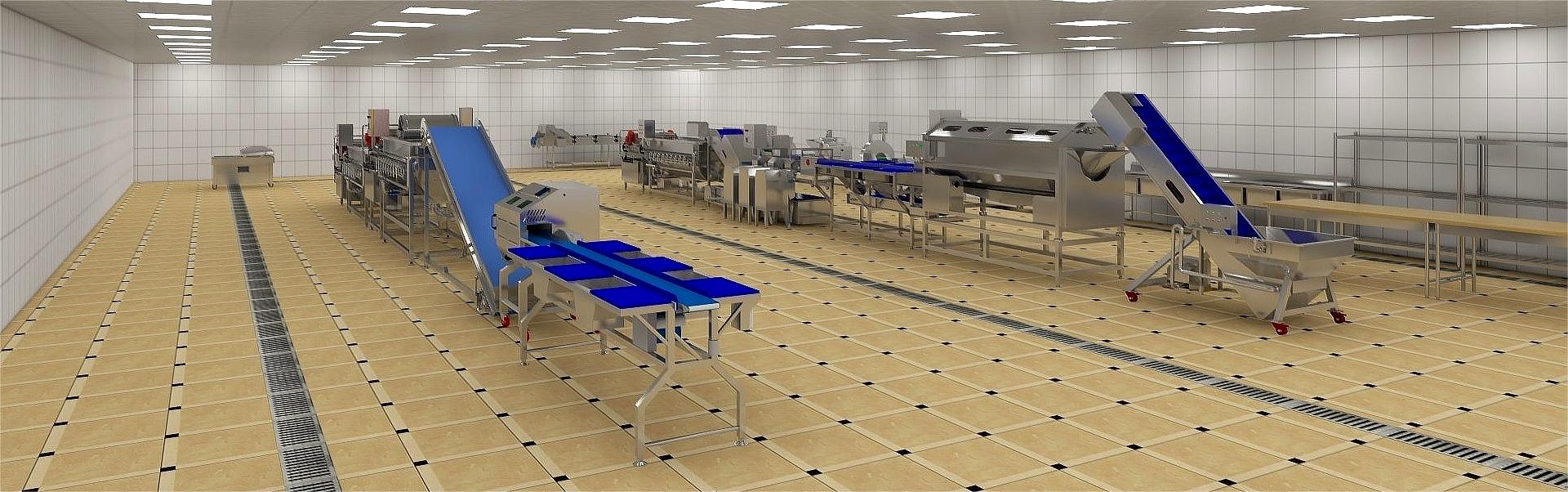
The Fastest Way Seafood Processors Are Increasing Output Without Hiring More Workers
Seafood processors around the world are facing the same challenge: demand continues to rise, but skilled labor is becoming increasingly difficult to find. As production costs climb and customers expect more consistent product quality, fish processing plants are turning to automation to stay competitive.
Walk into almost any seafood processing facility today and you'll hear a familiar concern:
"We have orders. We have raw materials. What we don't have is enough skilled workers."
From salmon processors in Northern Europe to tilapia exporters in Southeast Asia, labor shortages have become one of the biggest operational challenges facing seafood manufacturers.
At the same time, food retailers, restaurant chains, and frozen food brands are demanding tighter quality standards, consistent portion sizes, and faster delivery schedules.
This is exactly why automatic fish slicing machines have become one of the fastest-growing investments in seafood processing automation.
Why Manual Fish Cutting Is Becoming a Production Bottleneck
Traditional fish slicing relies heavily on experienced operators. While skilled workers can produce excellent results, manual cutting creates challenges that become increasingly difficult to manage as production volumes grow.
Human operators naturally experience fatigue during long production shifts. Even highly trained workers may produce slight variations in slice thickness, portion weight, and cutting angles.
For seafood manufacturers supplying supermarkets, restaurant chains, and export markets, these variations can lead to rejected products, customer complaints, and reduced profitability.
In today's competitive market, consistency is no longer a luxury—it is a requirement.
Manual Cutting vs Automatic Fish Slicing
| Comparison Factor | Manual Cutting | Automatic Fish Slicer |
|---|---|---|
| Labor Requirement | High | Low |
| Production Capacity | Limited | High |
| Slice Consistency | Variable | Excellent |
| Yield Loss | Higher | Lower |
| Food Safety | Moderate | High |
| Scalability | Limited | Excellent |
What Modern Seafood Buyers Actually Care About
The seafood industry has changed dramatically over the past decade.
Today's buyers are not simply purchasing fish. They are purchasing consistency, traceability, safety, and reliability.
Whether supplying supermarkets, frozen food manufacturers, catering businesses, or international distributors, processors must meet increasingly strict standards.
Uniform portion sizes
Stable product quality
Higher production efficiency
Reduced raw material waste
Food safety compliance
Reliable delivery schedules
Automation helps processors achieve these goals while reducing dependence on manual labor.
A Practical Solution for High-Volume Fish Processing
An automatic fish slicing machine is designed to deliver consistent cuts with high precision and repeatability.
Unlike manual operations, automated slicing equipment maintains stable cutting performance throughout the production shift, ensuring every portion meets customer requirements.
Common applications include:
Salmon processing
Tilapia processing
Tuna portioning
Cod processing
Frozen fish preparation
Ready-meal production
Product Details:
Beyond Fish Slicing: Building a Complete Seafood Processing Line
Leading seafood manufacturers are no longer investing in standalone machines. Instead, they are building integrated processing systems that connect multiple stages of production.
A complete seafood processing line may include:
Fish washing systems
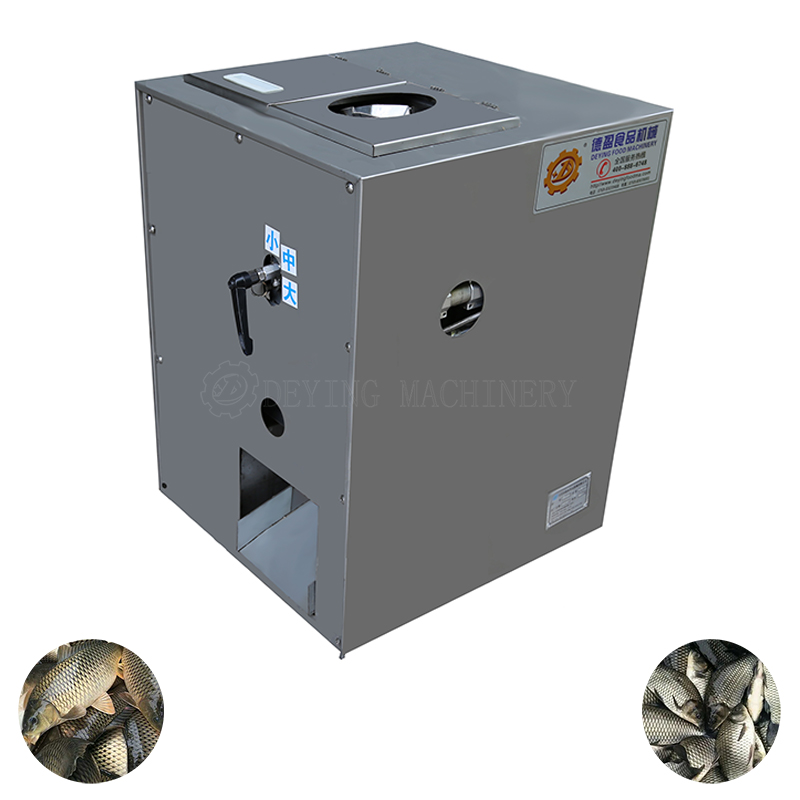
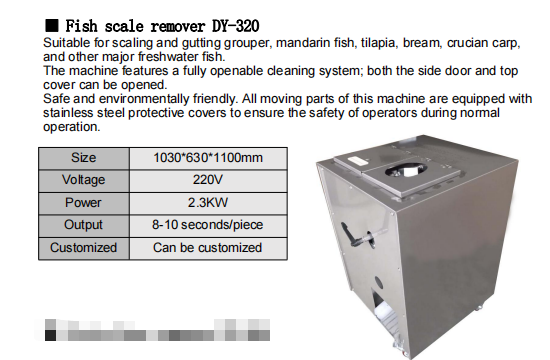
Fish scaling equipment
Fish Cutting Machines
Fish slicing machines
Sorting systems
Conveyor systems
Packaging equipment
By integrating multiple processes into one automated workflow, processors can improve efficiency, reduce labor requirements, and achieve higher production throughput.
Explore More Solutions:
Industry Trends Driving Seafood Processing Automation
According to industry reports, seafood consumption continues to grow worldwide due to increasing demand for healthy protein sources.
However, labor availability is not keeping pace with production requirements.
As a result, more seafood manufacturers are investing in automation technologies that improve operational efficiency while maintaining strict quality standards.
Fish slicing automation is no longer viewed as a luxury investment. For many processors, it has become a necessary step toward sustainable growth.
Planning a New Seafood Processing Line?
Whether you're processing salmon, tilapia, cod, tuna, or other seafood products, selecting the right slicing technology can dramatically improve productivity and profitability.
DY Food Machinery provides customized food processing solutions based on your product type, production capacity, factory layout, and automation goals.
Talk with our engineers to find the most suitable fish processing equipment for your operation.