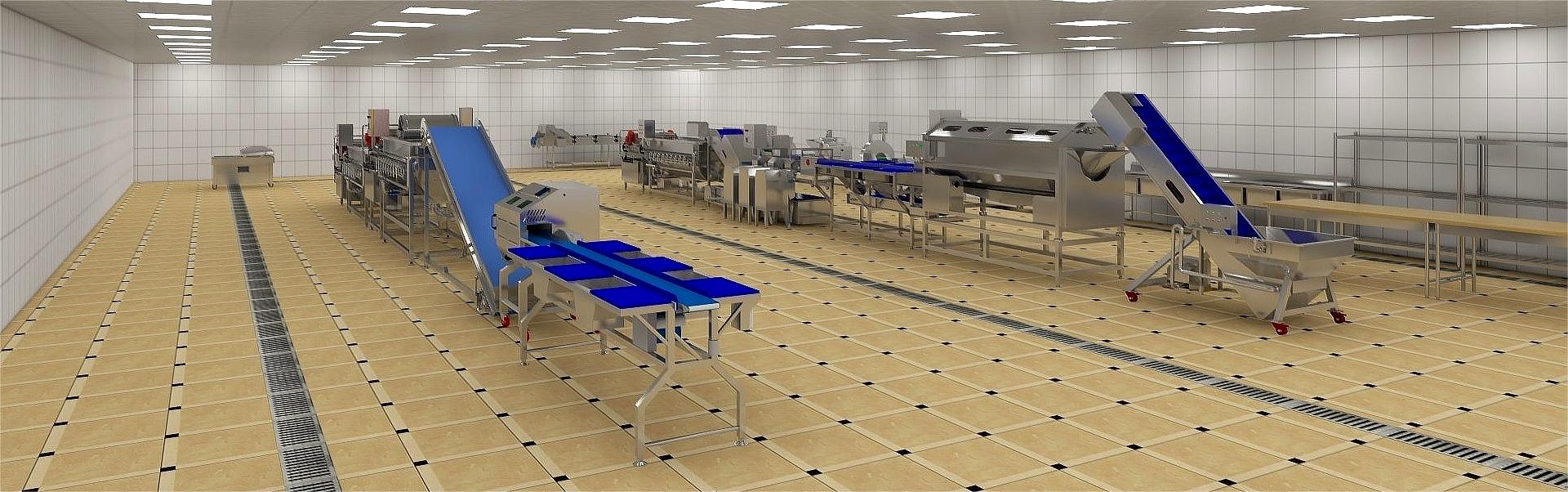
A Vacuum Packaging Machine is an advanced packaging solution that removes air from packaging bags and seals products in a low-oxygen environment. It is widely used in food processing, restaurants, hotels, supermarkets, and industrial production lines to improve product freshness, storage time, and packaging quality.
Compared with traditional packaging methods, a professional food vacuum sealer can effectively reduce oxidation, moisture, and contamination risks. For food manufacturers and commercial kitchens, selecting the right vacuum packaging machine can improve production efficiency and product value.
What Is a Vacuum Packaging Machine?
A vacuum packaging machine is a device that uses a vacuum pump to extract air from a package before sealing it tightly.
The main purpose of vacuum packaging is to:
Reduce oxygen exposure
Prevent food oxidation
Extend shelf life
Maintain product freshness
Improve transportation and storage stability
This technology is widely applied to meat products, seafood, vegetables, frozen foods, snacks, grains, and other products that require long-term preservation.
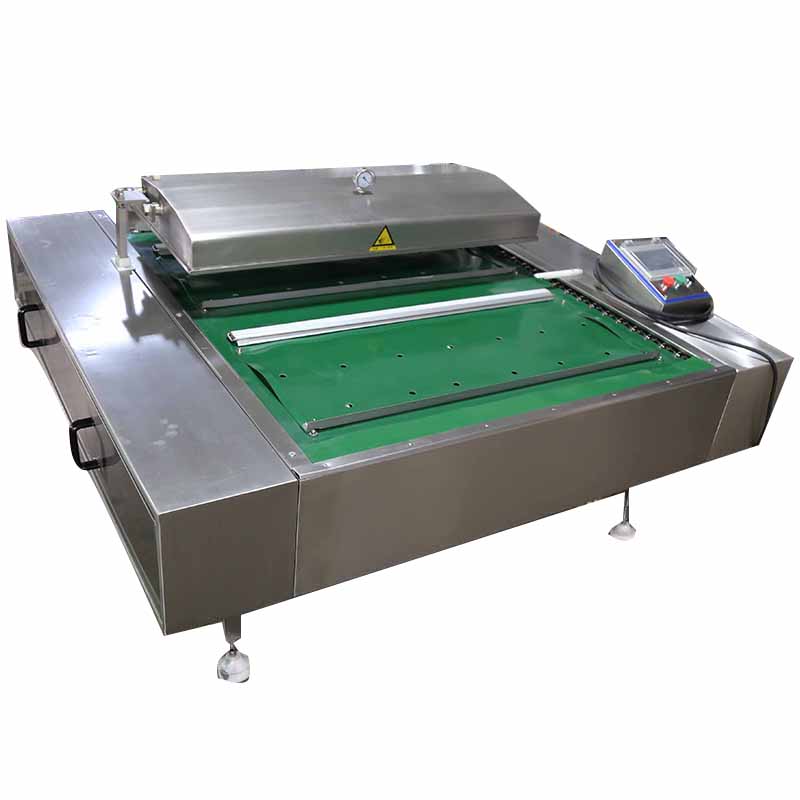
How Does a Vacuum Packaging Machine Work?
The working principle of a vacuum packaging machine includes three main steps: air extraction, sealing, and product output.
1. Vacuum Extraction Process
After the product is placed into a vacuum bag, the machine removes air from inside the package through a vacuum pump.
By reducing oxygen concentration inside the package, vacuum packaging helps slow down:
Bacterial growth
Food oxidation
Quality deterioration
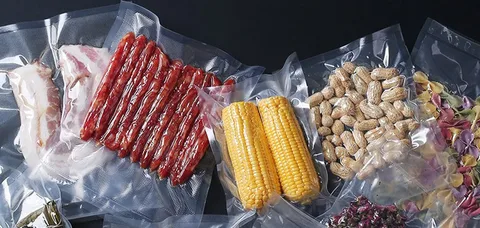
2. Heat Sealing Process
After reaching the preset vacuum level, the machine automatically seals the bag using a heating system.
The sealing process controls:
Sealing temperature
Sealing time
Pressure force
A reliable sealing system ensures the package remains airtight during storage and transportation.
3. Product Release
After sealing is completed, the package is released from the machine and ready for storage, transportation, or further processing.
Types of Vacuum Packaging Machines
1. Chamber Vacuum Sealer
A chamber vacuum sealer places both the product and vacuum bag inside a sealed chamber during operation.
Advantages:
Strong vacuum performance
Stable sealing quality
Suitable for liquid and solid products
Ideal for commercial food production
It is commonly used in:
Meat processing factories
Seafood packaging
Restaurants
Central kitchens
2. External Vacuum Sealer
An external vacuum sealer removes air from the bag through an external nozzle system.
It is suitable for:
Small businesses
Retail packaging
Light-duty food preservation
3. Continuous Vacuum Packaging Machine
A continuous vacuum packaging machine is designed for high-volume production. It integrates automatic conveying, vacuuming, and sealing functions.
Compared with standard vacuum sealers, it provides:
Higher packaging speed
Continuous operation
Lower labor requirements
It is widely used in industrial food production lines.
Vacuum Packaging Machine Applications
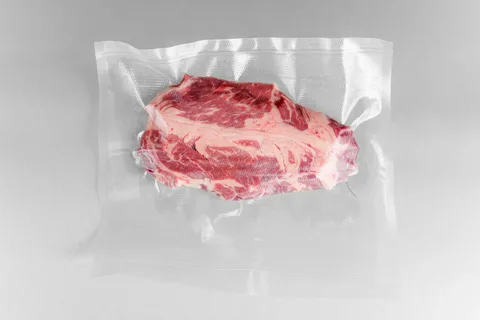
A commercial food vacuum bag machine can be used for various products:
Fresh meat and poultry
Seafood
Frozen food
Cooked food
Vegetables and fruits
Grains and snacks
Medical and industrial products
Benefits of Using an Industrial Vacuum Sealer
1. Longer Product Shelf Life
Vacuum packaging reduces oxygen inside the package, helping products maintain freshness for a longer period.
2. Better Product Protection
The sealed environment protects products from:
Moisture
Dust
External contamination
3. Improved Packaging Appearance
Vacuum packaging creates a compact and professional package appearance, which improves product presentation.
4. Increased Production Efficiency
Automatic packaging vacuum machines reduce manual operations and improve production speed for commercial users.
Vacuum Packaging Machine vs Traditional Packaging
| Feature | Vacuum Packaging Machine | Traditional Packaging |
|---|---|---|
| Air Removal | Removes oxygen before sealing | No air extraction |
| Shelf Life | Longer preservation time | Shorter storage period |
| Food Protection | Better moisture and contamination protection | Limited protection |
| Application | Commercial and industrial production | Small-scale packaging |
How to Choose the Best Vacuum Packaging Machine?
1. Consider Product Type
Different products require different vacuum packaging solutions.
Meat and seafood: Strong vacuum chamber machines
Liquid products: Chamber vacuum sealers
High-volume production: Industrial vacuum sealers
2. Consider Production Capacity
Businesses should evaluate:
Packaging quantity per hour
Bag size
Product dimensions
Continuous operating time
3. Consider Automation Level
Large food factories may require automatic systems with:
Automatic feeding
Continuous sealing
Conveyor systems
Production line integration
Why Choose a Professional Vacuum Packaging Machine?
For restaurants, food factories, and commercial kitchens, a professional vacuum packaging machine provides a reliable way to improve packaging efficiency and maintain product quality.
With advanced vacuum technology, strong sealing performance, and flexible applications, vacuum packaging equipment has become an essential solution in modern food processing industries.
Conclusion
A vacuum packaging machine is more than a sealing device. It is an important food preservation system that improves product quality, extends shelf life, and increases packaging efficiency.
Whether choosing a chamber vacuum sealer for commercial food production or an industrial vacuum sealer for large-scale manufacturing, selecting the right equipment helps businesses achieve better packaging results and higher productivity.