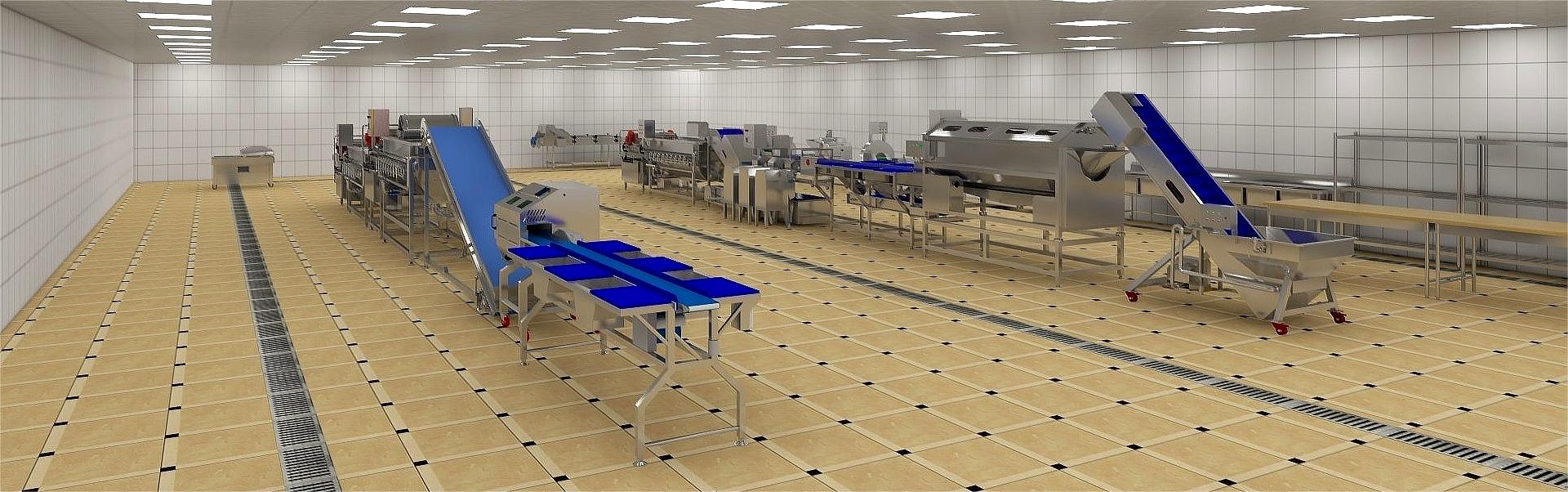
Buying a Fruit Processing Line is a major decision for food processors because the performance of the complete line depends on how well the equipment matches the raw materials, production targets, processing methods, and factory conditions. A line should be evaluated as a connected system rather than as a collection of individual machines.
From fruit receiving and washing to sorting, peeling, cutting, pulping, juice extraction, concentration, filling, or packaging, each processing stage needs to work with the next one. Before purchasing a Fruit Processing Line, buyers should therefore evaluate several technical and production factors.
1. Define the Type of Fruit to Be Processed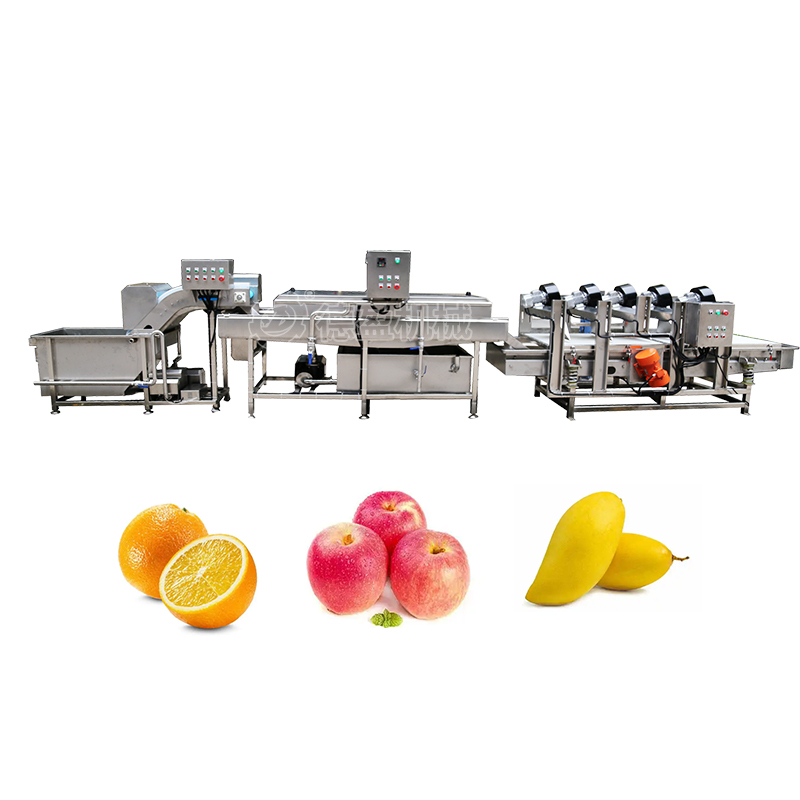
Different fruits have different physical properties, and these properties can affect equipment selection. Fruit size, shape, hardness, fiber content, skin thickness, seed structure, maturity, and moisture content may all influence the processing method.
For example, apples, mangoes, pineapples, citrus fruits, berries, peaches, and tomatoes can require different preparation and separation processes. A line designed for one fruit may not automatically be suitable for another without changes to the equipment configuration.
Before purchasing, provide the supplier with information about:
Fruit varieties and types
Average fruit size and weight
Ripeness and raw material condition
Skin and seed characteristics
Seasonal variations
Expected raw material quality
2. Determine the Required Production Capacity
Production capacity is one of the first specifications buyers usually consider. However, the capacity of the complete line should be evaluated rather than looking only at the rated output of one machine.
A fruit processing line may include washing, sorting, peeling, cutting, crushing, pulping, extraction, heating, cooling, filling, and other stages. If one stage has a lower practical capacity than the others, it can become a bottleneck and limit the output of the entire line.
When discussing capacity with a supplier, clarify whether the stated capacity refers to raw fruit input, intermediate product output, or finished product output. Also consider production hours, cleaning time, product changeovers, raw material losses, and seasonal demand.
3. Identify the Required Processing Flow
The processing flow should be established before individual machines are selected. The required process depends on the final product and the characteristics of the raw fruit.
A typical fruit processing project may include:
Raw fruit receiving
Washing
Sorting and grading
Peeling or trimming
Cutting or crushing
Pulping or juice extraction
Filtration or separation
Heating or pasteurization
Concentration or blending
Filling and packaging
Not every fruit processing line requires all of these stages. The equipment configuration should be based on the actual finished product and processing technology.
4. Consider the Finished Product
The final product has a direct influence on the design of the processing line. Juice, puree, pulp, fruit pieces, concentrates, sauces, and other processed fruit products can require different equipment combinations.
For juice production, extraction, filtration, clarification, pasteurization, and filling may be important. For puree production, pulping and refining may receive greater attention. For fruit pieces, washing, grading, peeling, cutting, and handling may be more important.
Therefore, buyers should define the finished product before asking for a complete line proposal.
5. Evaluate Material Yield and Product Loss
Fruit processing naturally generates waste such as skins, seeds, stems, cores, and rejected fruit. The yield of the finished product can therefore vary depending on the fruit variety, maturity, raw material quality, and processing method.
When evaluating a processing line, ask how the proposed process handles different parts of the fruit and how the supplier defines input and output capacity.
A useful evaluation should consider the relationship between raw fruit input and saleable finished product rather than looking only at the machine's hourly processing rate.
6. Check Automation Requirements
The level of automation should match the production scale, labor availability, product requirements, and investment plan. A line may include manual feeding and inspection stations, semi-automatic equipment, or more integrated automated systems.
Automation can help coordinate equipment, reduce repetitive manual operations, and improve process consistency. However, the appropriate level depends on the actual production environment.
When evaluating an automated line, consider how equipment is controlled, how machines communicate with each other, and how operators can monitor production and respond to alarms or process changes.
7. Review Hygiene and Food-Contact Requirements
Food processing equipment should be designed according to the intended product and cleaning method. Buyers should review food-contact materials, machine surfaces, drainage, accessibility, joints, seals, and cleaning procedures rather than relying only on a general "food grade" description.
For wet fruit processing applications, cleanability and drainage can be particularly important. Operators should be able to access areas that require regular cleaning and inspection.
The specific material and hygiene requirements should also be confirmed according to the destination market, applicable regulations, and the food processor's internal standards.
8. Consider Factory Space and Layout
A complete fruit processing line requires more than the footprint of the individual machines. Space may also be needed for raw material receiving, operator movement, maintenance, cleaning, product transfer, utilities, storage, and finished-product handling.
Before ordering equipment, provide the supplier with available factory dimensions and, when possible, a layout drawing. This allows the supplier to evaluate equipment placement and material flow.
A well-planned layout can help reduce unnecessary product movement and provide better access for operation and maintenance.
9. Check Utilities and Installation Requirements
Different processing stages may require electricity, water, compressed air, steam, cooling water, refrigeration, drainage, or other utilities.
Utility requirements should be confirmed before the equipment is ordered. Buyers should understand the required electrical supply, water consumption, air pressure, heating source, drainage requirements, and other site conditions.
This information is important because a machine that fits the production requirement may still require factory modifications if the available utilities are insufficient.
10. Evaluate Cleaning and Maintenance
Cleaning and maintenance are part of daily production and should be considered during equipment selection. Fruit residues, pulp, juice, seeds, and other materials can accumulate in processing equipment if the design does not provide suitable access and drainage.
Ask the supplier about:
Routine cleaning procedures
Cleaning frequency
Required cleaning chemicals
Wear parts
Blade and screen replacement
Belt and pump maintenance
Recommended spare parts
Maintenance access
Understanding these requirements before purchase can help the factory prepare operators and maintenance personnel for daily operation.
11. Compare Suppliers Based on Complete Requirements
When comparing fruit processing line suppliers, price is only one part of the evaluation. The technical configuration behind the quotation should also be reviewed.
Compare factors such as:
Processing capacity
Applicable fruit types
Equipment configuration
Automation level
Material and hygiene requirements
Utility consumption
Inspection and quality control
Installation and commissioning support
Spare parts availability
After-sales technical support
Make sure different suppliers are quoting based on comparable processing requirements. A lower initial quotation may represent a different equipment configuration or a different scope of supply.
12. Plan for Future Production Needs
A fruit processing project may expand as production demand changes. If future expansion is expected, discuss this with the supplier during the initial design stage.
The supplier may be able to consider additional processing capacity, modular equipment, extra connection points, or layout space for future equipment. Planning these possibilities early can make future expansion easier than redesigning the entire production area later.
Conclusion
Buying a fruit processing line requires a complete view of the product, process, production capacity, factory environment, and long-term operating requirements. The type of fruit, finished product, processing flow, yield, automation, hygiene, layout, utilities, maintenance, and future expansion should all be considered before placing an order.
A clear technical specification also helps suppliers provide a more suitable line configuration and makes it easier for buyers to compare different proposals. Instead of selecting equipment based only on individual machine specifications, evaluate how the complete line will operate from raw fruit receiving to finished product output.