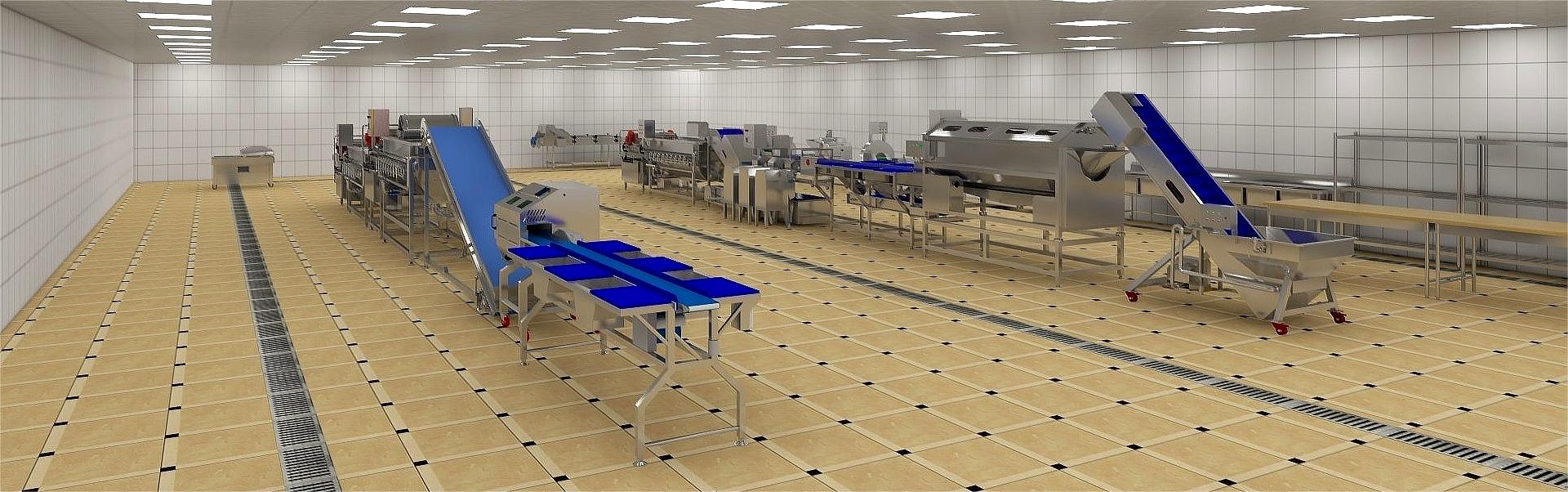
Designing a Fruit Processing Line requires more information than simply providing a desired production capacity. A complete line must be matched to the fruit characteristics, finished product, processing method, production schedule, factory conditions, utilities, hygiene requirements, and future production plans.
For food processors planning a new factory or upgrading an existing facility, providing detailed project information at the beginning can help equipment manufacturers develop a more practical processing flow and equipment configuration.
1. Fruit Type and Variety
The first information required is the type of fruit that the line will process. Different fruits have different shapes, sizes, textures, seed structures, skins, and moisture levels, which can affect the equipment required at each processing stage.
Provide information such as:
Fruit type and variety
Average fruit size
Average fruit weight
Fruit hardness or softness
Skin thickness
Seed or core structure
Typical ripeness
Seasonal variations
If several types of fruit will be processed on the same line, list each product separately. This allows the supplier to evaluate whether the same equipment configuration can handle the complete product range.
2. Raw Material Condition
The condition of the incoming fruit can influence equipment selection and processing performance. Fresh fruit may vary in size, maturity, cleanliness, moisture, and quality.
Information about the raw material should include its source, expected quality range, storage conditions, and any preliminary handling before it reaches the processing line.
If damaged, unripe, overripe, or foreign-material-contaminated fruit may enter the factory, this should also be considered when designing receiving, sorting, and inspection stages.
3. Desired Finished Product
The final product is one of the most important inputs for line design. A processing line for fruit juice will have different equipment requirements from a line producing puree, pulp, fruit pieces, concentrate, or other processed products.
Clearly describe the intended finished product and its required characteristics, including:
Product type
Target texture
Particle or piece size
Juice or pulp consistency
Target concentration where applicable
Packaging format
Required shelf life
If multiple finished products are planned, provide the requirements for each product so that the line can be designed with suitable flexibility.
4. Required Production Capacity
The target capacity should be stated clearly when designing a Fruit Processing Line. However, it is important to distinguish between raw material input capacity and finished product output.
For example, a factory may have a target based on tonnes of raw fruit per hour, while another project may define its target based on tonnes of finished juice or puree per day.
Provide information about:
Raw fruit input per hour
Finished product output per hour or day
Expected production days per year
Working hours per shift
Number of shifts
Peak-season production requirements
Expected future capacity increases
The supplier can then evaluate the capacity of each processing stage and identify potential bottlenecks.
5. Required Processing Steps
The desired processing flow should be discussed before individual machines are specified. Depending on the product, the process may include receiving, washing, sorting, peeling, cutting, crushing, pulping, extraction, separation, heating, cooling, concentration, filling, and packaging.
Not every project requires every stage. Some fruit products may need only preparation and packing, while others require multiple processing and thermal treatment stages.
A basic process description helps the supplier understand which operations need to be included and how the machines should be connected.
6. Product Quality Requirements
The finished product specifications can affect the equipment configuration. For example, juice clarity, pulp content, particle size, color, texture, and consistency may require different separation, filtration, or processing methods.
If the product has defined quality targets, provide these specifications during the design stage. The more clearly the finished product is defined, the easier it is to evaluate whether a proposed process can achieve the required result.
7. Material Yield and Processing Losses
Fruit processing involves natural losses from skins, seeds, cores, stems, trimming, sorting, and other processing stages. Yield information can help the supplier estimate raw material requirements and design the equipment around realistic production targets.
If historical production data is available, provide information about the typical yield of the fruit and the proportion of rejected or discarded material.
This is particularly useful when the project has a specific finished-product target because the required raw fruit input can then be estimated more accurately.
8. Factory Layout and Available Space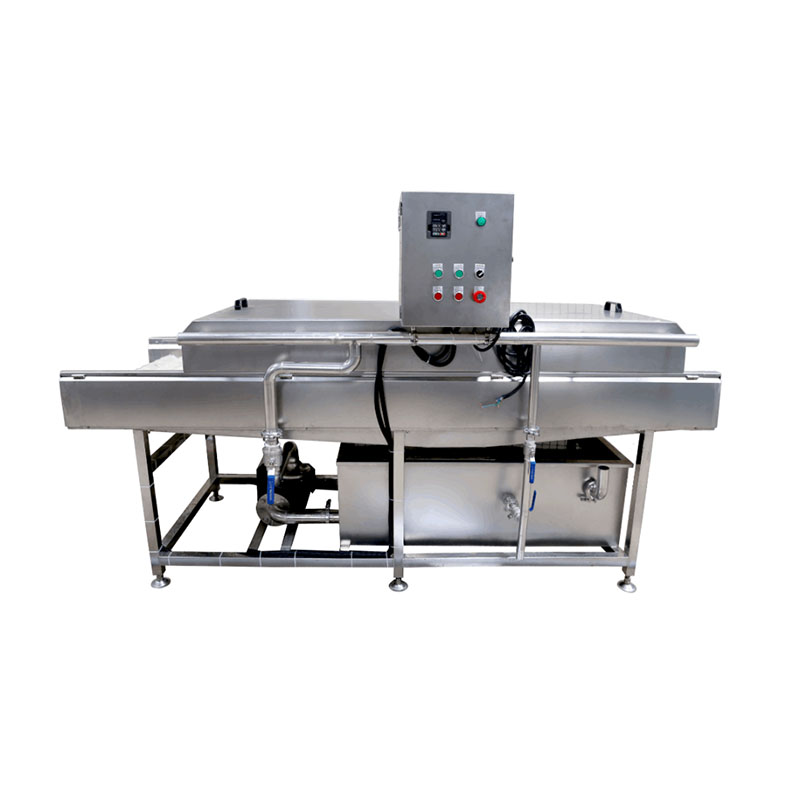
The physical conditions of the factory are another important input for line design. The supplier needs to know how much space is available and how raw materials and finished products will move through the facility.
Useful information includes:
Factory length and width
Available ceiling height
Existing equipment
Door and loading access dimensions
Floor conditions
Drainage locations
Operator access areas
Maintenance space
Raw material storage area
Finished product storage area
A factory layout drawing or CAD file can be particularly useful when the processing line must be installed in an existing building.
9. Available Utilities
Utility information should be provided before the equipment configuration is finalized. Different processing stages can require different combinations of electricity, water, compressed air, steam, cooling, refrigeration, or drainage.
Provide details such as:
Available voltage and frequency
Electrical capacity
Water supply and quality
Water pressure
Compressed air availability
Steam or hot water supply
Cooling or refrigeration capacity
Drainage conditions
If the factory does not have some of the required utilities, this should be communicated early so that the supplier can consider alternative configurations or supporting equipment.
10. Hygiene and Cleaning Requirements
Food processing equipment must be designed around the actual product and cleaning method. Therefore, the supplier should understand how the line will be cleaned and how frequently cleaning will take place.
Important information may include:
Wet or dry cleaning
Manual cleaning requirements
COP or CIP requirements where applicable
Cleaning frequency
Cleaning chemicals
Operating temperatures
Food-contact material requirements
Destination-market requirements
These requirements can influence equipment materials, machine structure, drainage, access, seals, and other design details.
11. Automation and Labor Requirements
The desired automation level should also be defined during the design stage. A factory may require manual inspection and feeding, semi-automatic operation, or a more integrated automated production system.
Tell the supplier how many operators are expected at each major stage and which operations the factory wants to automate.
Control requirements should also be discussed, including operator interfaces, alarms, process monitoring, data recording, and communication between connected machines where applicable.
12. Packaging Requirements
Packaging should be considered as part of the overall line rather than as a completely separate operation. The package type, filling volume, container size, sealing method, and expected production rate can influence downstream equipment.
Provide information about:
Container or package type
Package size
Filling volume
Filling speed
Sealing method
Labeling requirements
Carton or case packaging
This helps the supplier evaluate how the processing section should connect with the filling and packaging section.
13. Future Expansion Plans
If production is expected to increase in the future, provide this information during the initial design stage. A line designed only for today's production target may require significant modification if the factory expands later.
Future plans may include higher production capacity, additional fruit varieties, new finished products, additional packaging formats, or increased automation.
Knowing these plans early allows the supplier to consider modular equipment, spare connection points, additional space, or other expansion-friendly solutions.
14. Technical Documents and Drawings
The quality of the information provided to the supplier directly affects the quality of the proposed line design. The following documents can be useful:
Fruit specifications
Finished product specifications
Production targets
Existing factory layout
Utility information
Process flow requirements
Packaging specifications
Product photos or samples
Existing equipment information
For existing facilities, photographs and videos of the production area can also help the supplier understand access conditions and installation limitations.
15. Build a Clear Project Brief
Before requesting a complete fruit processing line proposal, organize the information into a clear project brief. This allows different suppliers to work from the same requirements and makes technical comparisons easier.
A useful project brief should cover five main areas: raw materials, finished products, processing capacity, factory conditions, and technical requirements.
The supplier can then use this information to develop the process flow, equipment configuration, layout, utility requirements, and other technical details needed for the project.
Conclusion
Designing a fruit processing line starts with accurate project information. Fruit type, raw material condition, finished product, capacity, processing steps, yield, factory layout, utilities, hygiene requirements, automation, packaging, and future expansion plans can all influence the final line configuration.
The more complete the information provided during the initial design stage, the easier it is for a supplier to develop a processing solution that matches the factory's actual production requirements.
For this reason, buyers should prepare a detailed project brief before requesting a fruit processing line proposal. A clear technical foundation can help reduce design changes, improve equipment matching, and make the installation and commissioning process more predictable.