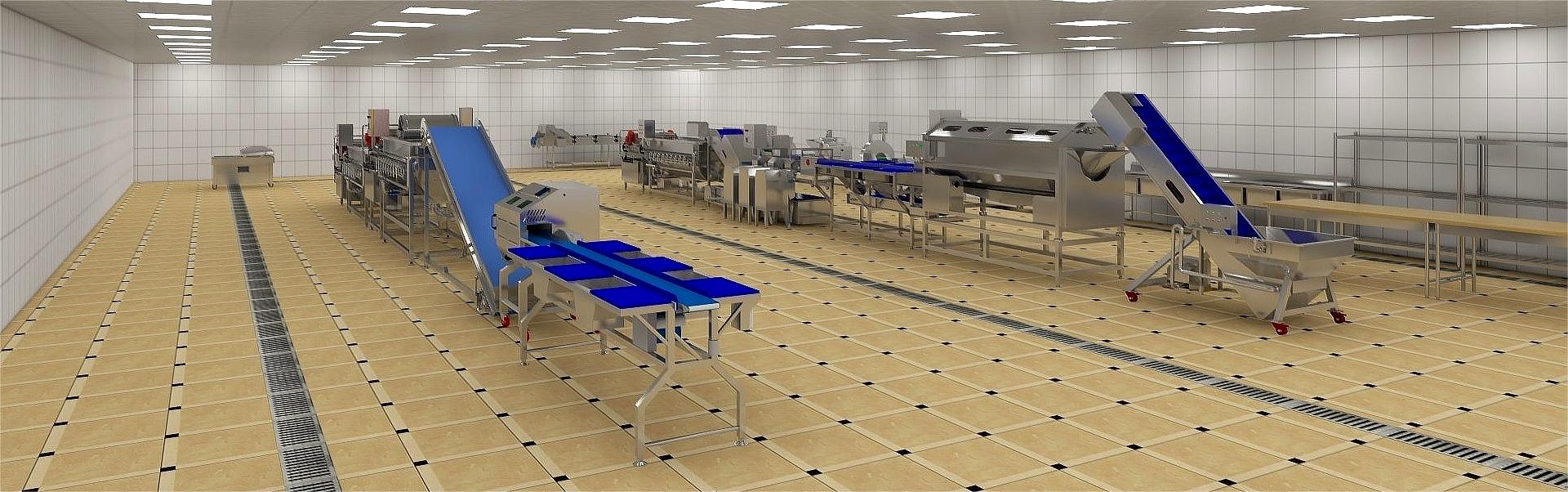
shrimp processing equipment plays an important role in modern seafood production. As seafood processors handle increasing order volumes and changing customer requirements, efficient processing solutions help improve productivity, maintain product consistency, and reduce labor-intensive operations. Choosing suitable shrimp processing machinery allows seafood manufacturers to optimize production workflows and meet the needs of wholesale markets, food distributors, and food processing businesses.
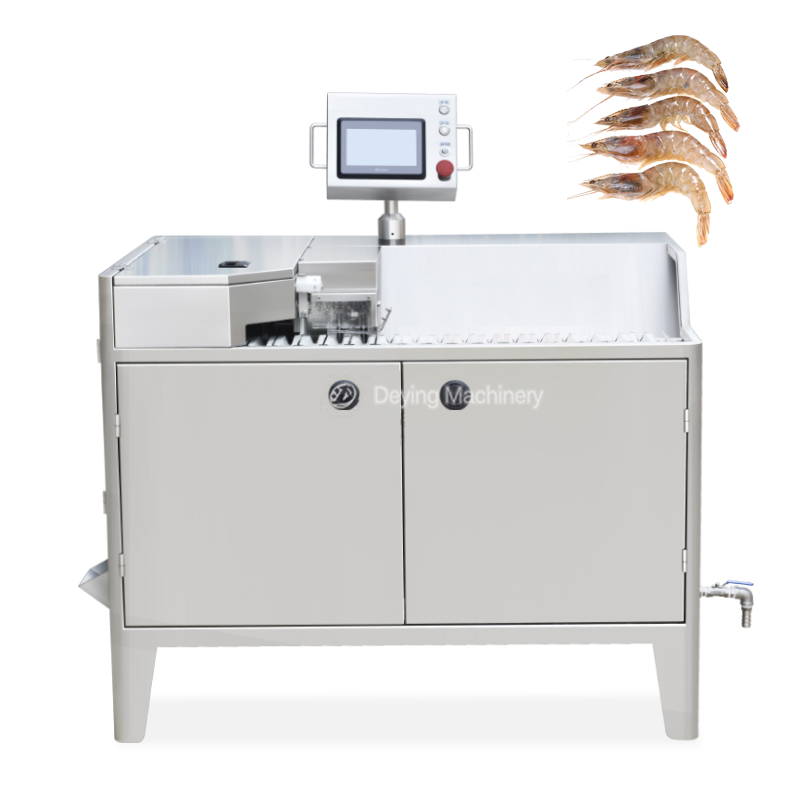
What Is Shrimp Processing Equipment?
Shrimp processing equipment refers to machinery used to handle different stages of shrimp preparation, from initial cleaning to final product grading and packaging. Depending on the production process, a shrimp processing line may include washing machines, peeling machines, deveining equipment, grading systems, and conveying equipment.
For seafood processing plants, the right equipment depends on shrimp varieties, raw material conditions, processing capacity, labor requirements, and the specifications of the final product.
Common Types of Shrimp Processing Equipment
1. Shrimp Washing Machines
Shrimp washing machines remove surface impurities and help prepare raw shrimp for subsequent processing. Proper washing equipment supports consistent handling and helps maintain hygienic production conditions. Machine selection should consider water consumption, processing capacity, and ease of cleaning.
2. Shrimp peeling machines
Shrimp peeling machines are designed to remove shells from shrimp with less manual handling. They are suitable for processors producing peeled shrimp for foodservice, retail supply chains, and further food manufacturing. Depending on the equipment design, peeling performance may vary with shrimp size, species, and raw material condition.
3. Shrimp Deveining Equipment
Deveining equipment helps remove the digestive tract from shrimp during processing. Automating this step can reduce repetitive manual work and support more consistent product preparation. Processors should evaluate the machine's compatibility with the required shrimp sizes and finished product specifications.
4. Shrimp Grading Machines
Shrimp grading machines sort shrimp according to size or weight, helping processors prepare products for different market requirements. Consistent grading is particularly important for businesses supplying food distributors, restaurant chains, and frozen seafood brands.
5. Integrated Shrimp Processing Lines
For larger operations, integrated shrimp processing lines combine multiple processing stages into a coordinated workflow. Conveyors and connected machines can reduce unnecessary material handling, improve production organization, and support more efficient use of labor.
Key Benefits of Modern Shrimp Processing Machinery
Improved production efficiency: Mechanized processing helps businesses handle larger production volumes and reduce dependence on repetitive manual tasks.
Consistent product quality: Properly selected machinery supports more uniform peeling, grading, and product preparation.
Better workflow management: Connected equipment can streamline material movement between processing stages.
Reduced labor requirements: Automation can help address labor shortages and improve workforce allocation.
Scalable production: Modular equipment configurations allow businesses to expand processing capacity as demand grows.
How to Choose the Right Shrimp Processing Equipment
Before investing in shrimp processing machinery, enterprises should evaluate their current production requirements and long-term business plans.
Processing capacity: Determine the required output per hour or per shift and match it to actual production demand.
Shrimp specifications: Consider species, size range, shell condition, and whether the shrimp are fresh, chilled, or frozen.
Finished product requirements: Identify whether the final products require whole shrimp, peeled shrimp, deveined shrimp, or graded portions.
Hygiene and cleaning: Check food-contact materials, equipment accessibility, drainage, and cleaning procedures.
Factory layout: Confirm available floor space, electrical requirements, water supply, and compatibility with existing equipment.
Maintenance and support: Review spare parts availability, operator training, maintenance requirements, and after-sales service.
Applications Across the Seafood Industry
Shrimp processing equipment is used by seafood processing plants, frozen food manufacturers, seafood exporters, wholesale suppliers, and foodservice ingredient producers. Different businesses may require standalone machines for a specific operation or complete processing lines for larger-scale production.
For export-oriented manufacturers, equipment selection should also take into account the hygiene standards, product specifications, and documentation requirements of their target markets.
Modern shrimp processing equipment helps seafood enterprises improve workflow efficiency, maintain product consistency, and adapt to changing market demand. By evaluating processing capacity, shrimp specifications, hygiene requirements, and future expansion plans, businesses can select machinery that fits their production needs and supports long-term operational development.