Choosing the right shrimp processing machine is an important decision for seafood manufacturers looking to improve production efficiency and maintain consistent product quality. With different machines available for washing, peeling, deveining, grading, and conveying, buyers need to evaluate their processing requirements before making an investment.
This buying guide explains the main types of shrimp processing machines, the features worth considering, and the key factors that help businesses select suitable equipment for their production lines.
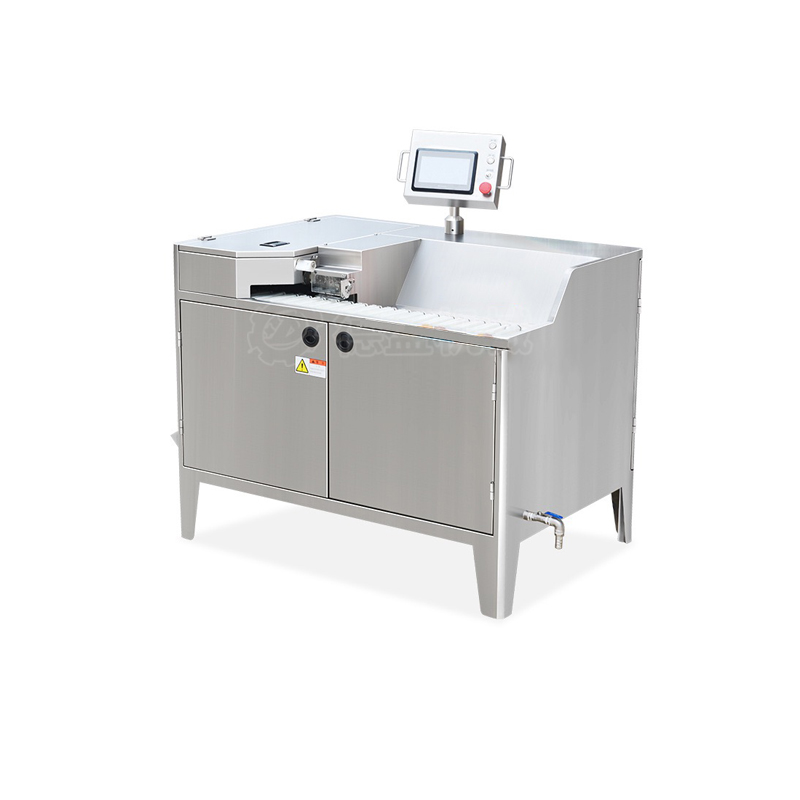
What Types of Shrimp Processing Machines Are Available?
1. Shrimp Washing Machines
Shrimp washing machines remove surface dirt and impurities before further processing. When comparing equipment, buyers should consider cleaning performance, water consumption, processing capacity, and ease of sanitation. A suitable washing system helps establish a consistent starting point for subsequent operations.
2. Shrimp peeling machines
Shrimp peeling machines remove shells to prepare shrimp for further processing, freezing, packaging, or food manufacturing. These machines can reduce manual peeling work and help increase processing throughput. Buyers should confirm the supported shrimp size range, peeling performance, product damage rate, and suitability for their raw materials.
3. Shrimp Deveining Machines
Shrimp deveining machines help remove the digestive tract from shrimp. This operation is important for processors producing peeled and deveined shrimp for commercial food markets. Before purchasing, evaluate processing accuracy, product handling, adjustment requirements, and compatibility with the intended product specifications.
4. Shrimp Grading Machines
Shrimp grading machines classify shrimp by size or weight to support consistent product specifications. They are useful for seafood businesses supplying multiple customer segments with different grading requirements. Important considerations include grading accuracy, the number of grading categories, and the expected production volume.
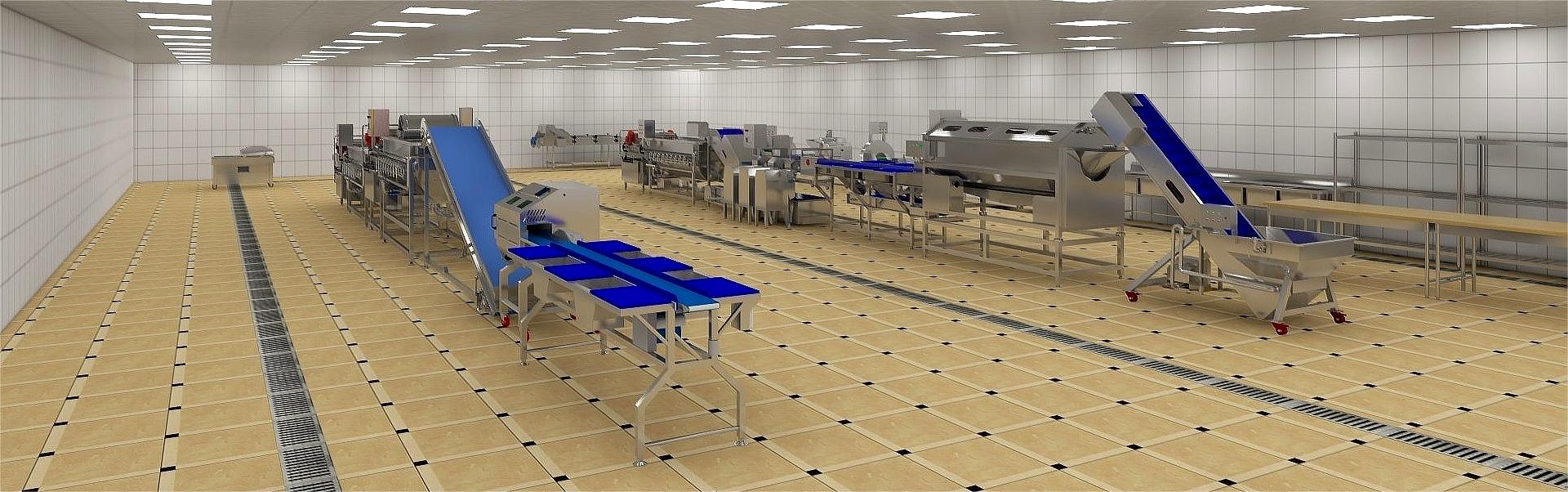
5. Complete Shrimp Processing Lines
A complete shrimp processing line integrates several machines into a coordinated production system. This option is worth considering for factories handling high production volumes or multiple processing stages. Buyers should assess equipment compatibility, conveyor arrangements, installation space, and the overall capacity of the line rather than evaluating individual machines in isolation.
Key Features to Consider Before Buying
Processing Capacity
Capacity is one of the first specifications to check. Compare the machine's rated throughput with your actual production requirements, including peak demand and expected future growth. Ask suppliers to clarify how capacity is measured and whether the stated output depends on shrimp size, product condition, or operating settings.
Material and Hygienic Design
Seafood processing equipment should be designed for regular cleaning and hygienic operation. Check the materials used on food-contact surfaces, the accessibility of internal components, and the procedures required for cleaning and sanitation. Stainless steel construction may be appropriate for many applications, but the specific grade and design should match the processing environment.
Automation and Labor Requirements
Automation can reduce repetitive manual tasks and improve workflow consistency. However, the right level of automation depends on production volume, available labor, operator skills, and the required degree of processing flexibility. Compare the staffing requirements of each solution as well as its purchase cost.
Adjustability and Product Compatibility
Shrimp size, species, shell condition, and product format can affect machine performance. If your factory processes multiple shrimp varieties or sizes, check whether the machine offers adjustable settings, interchangeable components, or different processing configurations.
Maintenance and Spare Parts
Routine maintenance affects equipment reliability and long-term operating costs. Review cleaning procedures, wear-part replacement intervals, spare parts availability, technical documentation, and supplier support. Accessible components and clear maintenance instructions can help reduce avoidable downtime.
How to Choose the Right Shrimp Processing Machine
Step 1: Define Your Processing Requirements
Identify the processing stages your business needs to automate. A factory focused on peeled shrimp may prioritize peeling and deveining equipment, while a plant handling mixed product sizes may place greater emphasis on grading and sorting systems.
Step 2: Calculate Your Required Output
Estimate the volume of raw shrimp processed per hour or per shift. Consider seasonal fluctuations, labor availability, and production targets. Selecting equipment based on realistic demand helps avoid both insufficient capacity and unnecessary investment in oversized machinery.
Step 3: Evaluate Product Quality Requirements
Define acceptable levels of product damage, peeling performance, grading consistency, and processing accuracy. Ask suppliers for relevant test data or a product trial using representative raw materials whenever possible.
Step 4: Compare Total Operating Costs
The purchase price is only one part of the investment. Consider energy and water consumption, labor requirements, cleaning time, maintenance expenses, spare parts, installation, and operator training. A machine with a higher initial cost may provide better long-term value if it fits the production process more effectively.
Step 5: Check Installation and Supplier Support
Confirm the factory's available space, power supply, water connections, drainage, and integration requirements. Discuss installation guidance, commissioning, training, warranty coverage, and after-sales support before placing an order.
Common Buying Mistakes to Avoid
Choosing by price alone: Low upfront cost does not necessarily mean lower total operating costs.
Ignoring raw material differences: Machine performance may change depending on shrimp size, species, temperature, and condition.
Overlooking cleaning requirements: Difficult-to-clean equipment can increase sanitation time and complicate daily operations.
Buying excessive capacity: Equipment that is significantly larger than current production needs may increase investment and operating costs.
Failing to check compatibility: A new machine must fit the existing production line or the planned factory layout.
Neglecting after-sales support: Unclear spare parts arrangements and technical support can create problems when maintenance is required.
Questions to Ask a Shrimp Processing Machine Supplier
What shrimp sizes and product conditions can the machine handle?
What is the rated processing capacity, and how is it measured?
What materials are used for food-contact components?
Can the machine be customized to fit our processing line?
What are the installation, cleaning, and routine maintenance requirements?
Are spare parts, technical documentation, and operator training available?
Buying a shrimp processing machine requires more than comparing specifications and prices. Businesses should evaluate processing capacity, raw material compatibility, hygiene, automation, maintenance, and supplier support as part of the decision-making process.
By defining production requirements and comparing suitable equipment configurations, seafood processors can make a more informed investment and build a processing workflow that supports consistent quality and long-term efficiency.