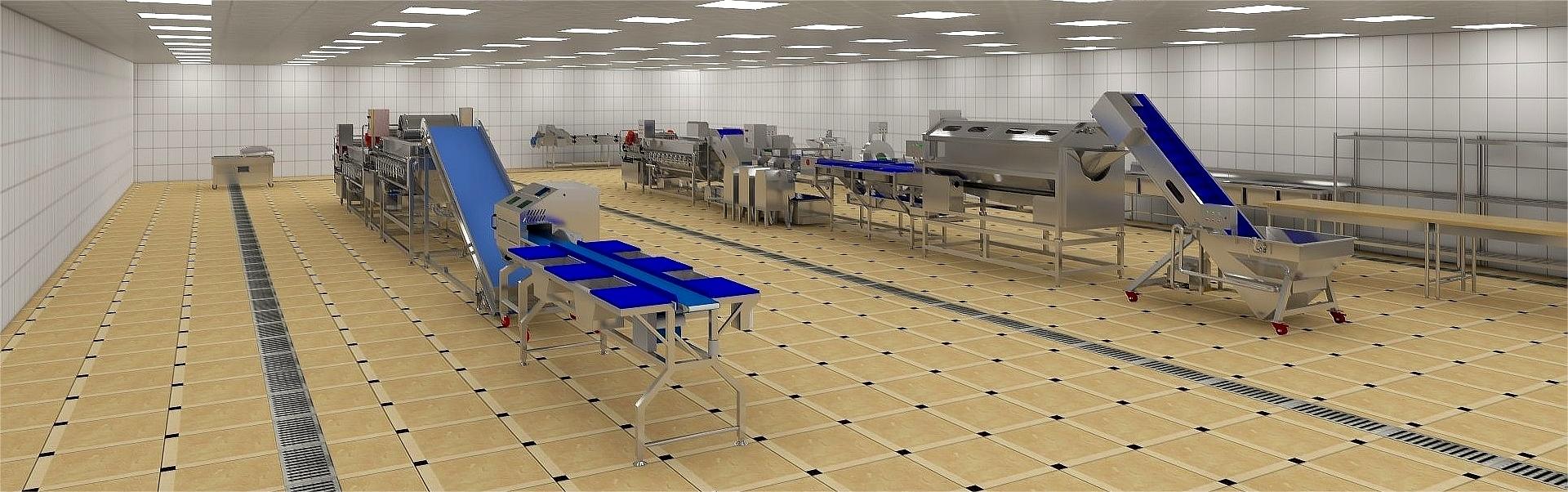
A meat processor is a machine or piece of equipment used to prepare, cut, grind, mix, and transform raw meat into products ready for further processing, packaging, or distribution. From small commercial kitchens to large-scale meat processing plants, meat processing equipment plays an important role in improving production efficiency, product consistency, and food safety.
But what exactly is a meat processor, and what types of equipment are used in modern meat processing facilities? This guide explains the main functions, equipment types, applications, and factors buyers should consider when selecting Meat Processing Machinery.
1. What Is a Meat Processor?
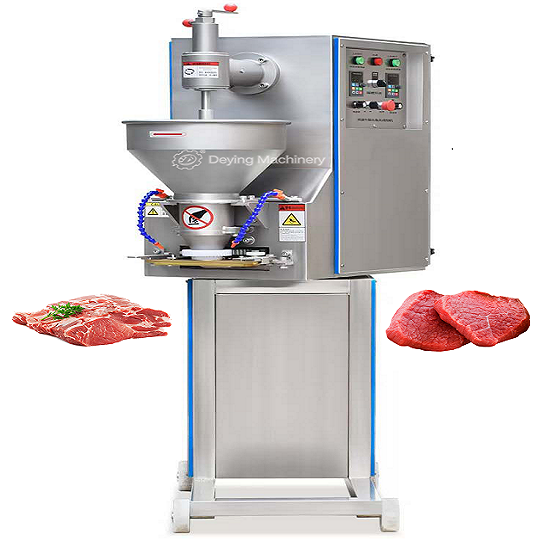
A meat processor generally refers to equipment designed to handle one or more stages of meat preparation and processing. Depending on the machine configuration, it can perform operations such as cutting, grinding, mixing, mincing, tenderizing, and forming.
In industrial applications, the term can also refer to a complete meat processing system that integrates multiple machines into a production line.
These machines are commonly used to process beef, pork, chicken, lamb, and other meat products. They help manufacturers handle large quantities of raw materials while maintaining consistent processing standards.
2. What Does a Meat Processor Do?
Different meat processors perform different functions depending on the production requirements. The most common operations include:
Meat Cutting
Meat cutting machines divide large cuts of meat into smaller portions or specific shapes. They are used in meat preparation facilities, butcher shops, and food manufacturing plants.
Meat Grinding
Meat grinders reduce meat into smaller particles to produce ground beef, pork mince, chicken mince, and other minced meat products. Grinding plates help determine the final particle size.
Meat Mixing
Meat mixers combine ground meat with seasonings, spices, fat, and other ingredients. Uniform mixing helps achieve consistent flavor and product composition.
Meat Tenderizing
Meat tenderizers use mechanical blades or rollers to break down muscle fibers and connective tissues. This process helps improve meat tenderness and prepare products for further processing.
Sausage Stuffing
Sausage stuffers transfer prepared meat mixtures into casings to produce sausages of different sizes and shapes. Commercial models are designed to improve filling efficiency and portion consistency.
3. Common Types of Meat Processing Equipment
Modern meat processing facilities use different machines to complete specific production tasks. Below are some of the most commonly used types.
3.1 Meat Grinder
A meat grinder uses an auger, cutting blade, and perforated grinding plate to reduce meat into smaller particles. It is widely used for producing ground meat for burgers, sausages, meatballs, and other products.
Commercial and industrial meat grinders are available in different capacities to accommodate various production volumes.
3.2 Meat Slicer
Meat slicers use sharp rotating blades to cut meat into uniform slices. They are commonly used for deli meats, cooked meats, bacon, and other products that require consistent thickness.
3.3 Meat Mixer
Meat mixers combine meat and other ingredients through rotating paddles or mixing arms. They are particularly useful in sausage production and processed meat manufacturing, where uniform ingredient distribution is essential.
3.4 Bowl Cutter
A bowl cutter uses high-speed rotating knives to chop and emulsify meat into a fine mixture. It is commonly used in the production of sausages, hot dogs, luncheon meat, and other emulsified meat products.
3.5 Meat Tenderizer
Mechanical meat tenderizers use blades or rollers to break down muscle fibers. They are often used in restaurants and meat processing facilities to prepare steaks, cutlets, and other meat products.
3.6 Vacuum Meat Tumbler
A vacuum meat tumbler rotates meat inside a sealed drum, often under reduced pressure. It helps distribute marinades and seasonings while improving the consistency of marinated meat products.
3.7 Sausage Filling Machine
A sausage filling machine transfers prepared meat mixtures into natural or artificial casings. Depending on the model, it may support automatic portioning and different filling speeds for commercial sausage production.
4. How Does an Industrial Meat Processing Line Work?
An industrial meat processing line combines multiple machines to transform raw meat into finished products. The exact workflow depends on the product type, factory layout, and production requirements.
A typical processing workflow may include the following stages:
Raw Material Inspection: Incoming meat is inspected for quality, temperature, and suitability for processing.
Meat Cutting: Large cuts are divided into smaller pieces for easier handling and further processing.
Meat Grinding: Meat is passed through a grinder to achieve the required particle size.
Mixing and Seasoning: Ground meat is combined with seasonings, spices, and other ingredients according to the product formulation.
Further Processing: Depending on the product, the mixture may be chopped, emulsified, tenderized, or stuffed into casings.
Packaging: Finished products are portioned, packaged, labeled, and prepared for storage or distribution.
Not every meat processing line includes all these stages. For example, a ground meat production line may focus mainly on cutting, grinding, and packaging, while a sausage production line requires additional mixing and filling equipment.
5. What Products Can Meat Processing Equipment Produce?
Meat processing equipment supports a wide range of food manufacturing applications, including:
Ground Meat: Ground beef, pork mince, chicken mince, and mixed ground meat.
Sausages: Fresh sausages, cooked sausages, smoked sausages, and other stuffed meat products.
Burgers and Meat Patties: Uniformly portioned products made from ground meat and other ingredients.
Processed Meat: Meatballs, meatloaf, hot dogs, and emulsified meat products.
Marinated Meat: Seasoned chicken, beef, pork, and other prepared meat products.
Sliced Meat: Deli meats, bacon, and other sliced meat products.
6. What Should Buyers Consider When Purchasing Meat Processing Equipment?
Selecting the right meat processing machinery requires careful evaluation of production needs, machine performance, and long-term operating costs.
Production Capacity
Determine the expected processing volume in kilograms or tons per hour. Equipment capacity should match your current production requirements while allowing for potential business expansion.
Type of Meat Products
Different products require different processing methods. A ground meat manufacturer may prioritize grinding capacity and particle-size control, while a sausage producer may need integrated grinding, mixing, and stuffing equipment.
Material and Food Safety
Choose machines with appropriate food-contact materials, hygienic construction, and accessible cleaning components. Stainless steel is commonly used in commercial meat processing equipment because of its corrosion resistance and ease of cleaning.
Automation and Operating Efficiency
Automatic feeding, adjustable operating parameters, and integrated production systems can help reduce manual handling and improve processing efficiency.
Equipment Maintenance
Evaluate the machine's maintenance requirements, replacement part availability, and ease of disassembly. Reliable after-sales support is also important for maintaining stable production.
Customization and Production Line Integration
For industrial buyers, equipment compatibility is an important consideration. Check whether the machinery can integrate with existing production lines and whether the manufacturer offers customized configurations based on factory layout and processing requirements.
7. Meat Processor vs. Meat Grinder: What Is the Difference?
Although these terms are sometimes used interchangeably, a meat processor and a meat grinder do not necessarily refer to the same equipment.
| Comparison | Meat Processor | Meat Grinder |
|---|---|---|
| Definition | General term for meat processing equipment or systems | Specialized machine for grinding meat |
| Main Functions | Cutting, grinding, mixing, chopping, tenderizing, and more | Reducing meat into smaller particles |
| Equipment Types | Multiple machines for different processing stages | Manual, electric, commercial, and industrial grinders |
| Applications | Various meat manufacturing operations | Ground meat production |
| Production Scope | Can cover multiple stages of meat production | Primarily handles the grinding stage |
In simple terms, a meat grinder is one type of meat processing machine, while a meat processor can refer to a broader range of equipment or an entire processing system.
8. Frequently Asked Questions About Meat Processors
Q1: Is a meat processor the same as a food processor?
No. A meat processor is designed specifically for meat-related operations, such as grinding, cutting, mixing, and tenderizing. A standard food processor is a general-purpose kitchen appliance used to chop, slice, blend, and mix various food ingredients.
Q2: What is the difference between a commercial and an industrial meat processor?
Commercial Meat Processors are generally used in restaurants, butcher shops, and smaller food businesses. Industrial meat processors are designed for larger production volumes, more demanding workloads, and integration into automated manufacturing lines.
Q3: Can one meat processing machine handle different types of meat?
Many meat processing machines can handle different meat types, including beef, pork, and chicken. However, suitability depends on the machine design, cutting or grinding configuration, motor performance, and manufacturer's specifications.
Q4: How do you maintain meat processing equipment?
Regular maintenance includes cleaning food-contact components, inspecting blades and grinding plates, checking moving parts, and following the manufacturer's lubrication and servicing recommendations. Proper cleaning and maintenance help support equipment performance and food hygiene.
Q5: What is the most important factor when choosing a meat processor?
Production requirements should be the starting point. Buyers should evaluate processing capacity, product type, machine configuration, hygiene standards, automation requirements, and long-term maintenance costs before making a purchasing decision.
Conclusion
A meat processor plays an essential role in modern meat manufacturing by supporting operations such as cutting, grinding, mixing, tenderizing, and forming. Whether you operate a butcher shop, commercial kitchen, or industrial food processing facility, choosing suitable equipment can improve production efficiency and product consistency.
Before purchasing, evaluate your product requirements, production capacity, equipment configuration, and future expansion plans. Working with an experienced meat processing equipment manufacturer can also help you develop a suitable machine configuration or complete processing line.