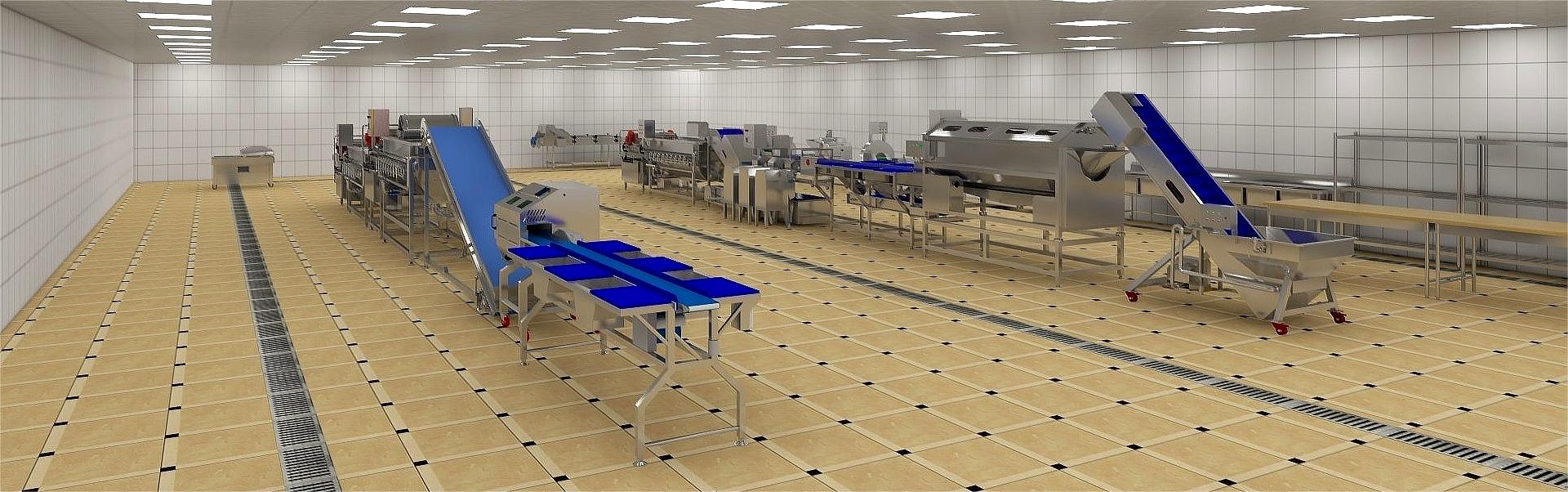
In modern food processing facilities, the efficiency and hygiene of vegetable handling are critical. The use of a Vegetable Conveyor belt has become a standard solution to streamline operations, reduce manual labor, and maintain product quality. Vegetable conveyor belts are designed to transport produce smoothly across different processing stages, from washing and cutting to packaging, ensuring continuous workflow.
One of the most significant advancements is the automatic vegetable conveyor. Unlike traditional manual or semi-automatic systems, automatic vegetable conveyors can handle large volumes of vegetables with minimal human intervention. They are equipped with sensors and programmable settings that allow precise control over speed, direction, and loading capacity. This automation not only reduces labor costs but also minimizes the risk of product damage during handling.
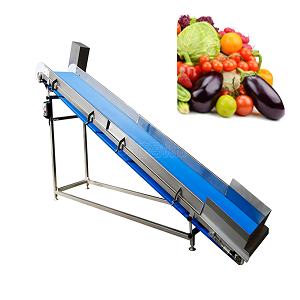
Hygiene and durability are essential considerations in food processing. A stainless steel vegetable conveyor offers an ideal solution due to its corrosion resistance and ease of cleaning. Stainless steel surfaces prevent bacterial growth and comply with strict food safety standards. Additionally, these conveyors can withstand frequent washdowns and harsh processing environments without compromising structural integrity.
Implementing automatic vegetable conveyors enhances operational efficiency in several ways. Firstly, they ensure consistent product flow, reducing bottlenecks and downtime. Secondly, they allow for integration with other automated systems such as sorting, weighing, and packaging machines. This connectivity creates a seamless production line, where vegetables move efficiently from one stage to the next. Thirdly, automated conveyors improve worker safety by reducing the need for manual lifting and repetitive handling tasks, which are common causes of workplace injuries.
Furthermore, the flexibility of modern vegetable conveyor belts allows customization for different types of vegetables, whether leafy greens, root vegetables, or delicate fruits. Adjustable belt speeds, modular designs, and specialized attachments ensure that the produce maintains quality throughout the process. Food processing plants that adopt automatic vegetable conveyors benefit from faster throughput, lower labor costs, and enhanced product consistency, giving them a competitive advantage in the market.
In conclusion, the integration of stainless steel vegetable conveyors and automated systems in food processing facilities significantly improves operational efficiency. By ensuring hygiene, reducing manual labor, and maintaining consistent product handling, these conveyors are indispensable tools for modern vegetable processing. Investing in advanced conveyor solutions allows businesses to optimize their workflow, enhance product quality, and meet the increasing demands of the food industry.