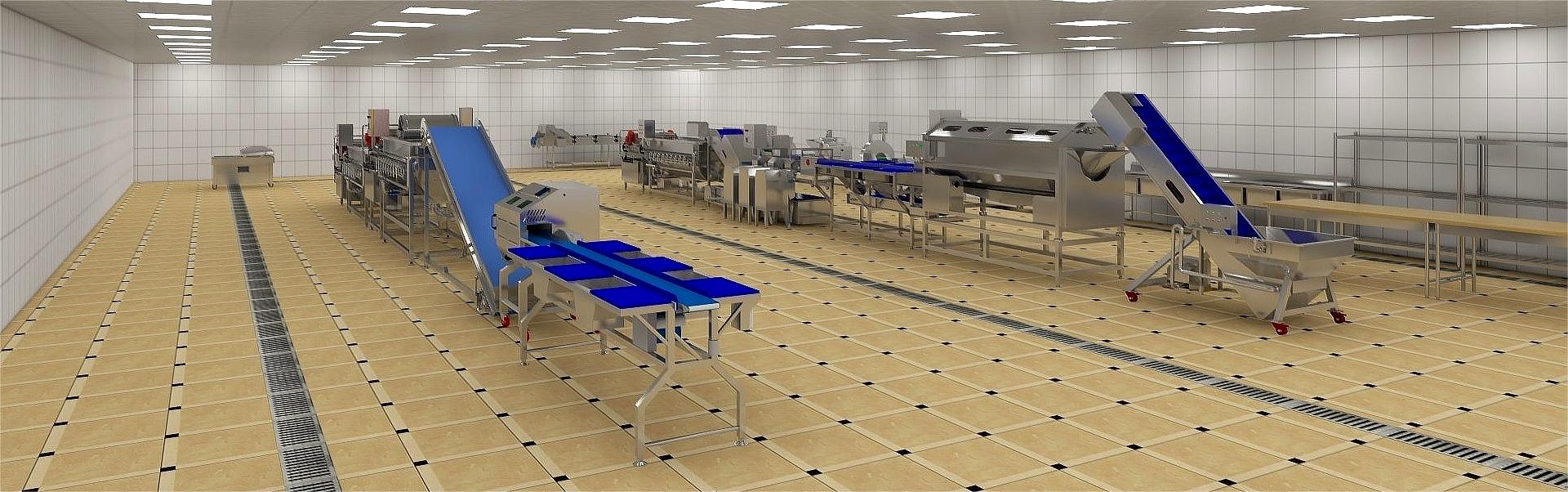
The Hidden Cost of Manual Vegetable Cutting—and How Food Processors Are Solving It
For many food manufacturers, vegetable preparation is still heavily dependent on manual labor. At first glance, hiring workers to cut cabbage, lettuce, carrots, and other vegetables may appear to be a low-cost solution.
However, when companies examine production efficiency, labor turnover, product consistency, food safety risks, and raw material waste, the true cost of manual vegetable cutting is often far higher than expected.
As global demand for fresh-cut vegetables, ready-to-eat salads, and convenience foods continues to grow, processors are increasingly investing in automated vegetable cutting equipment to improve productivity and maintain competitiveness.
Why Labor Costs Are No Longer the Only Concern
Food processing plants around the world are facing a common challenge: labor shortages.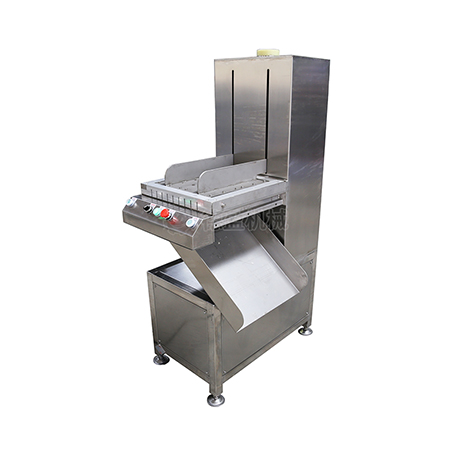
Even when workers are available, maintaining a stable workforce is becoming increasingly difficult. High turnover rates, training costs, and varying skill levels can significantly affect production efficiency.
For products such as shredded cabbage, salad mixes, kimchi ingredients, and coleslaw, consistency is critical. Small variations in cutting thickness can impact appearance, packaging efficiency, shelf life, and customer satisfaction.
This means that labor costs are only part of the equation. Productivity losses caused by inconsistency and inefficiency often have an even greater impact on profitability.
The Hidden Costs of Manual Vegetable Cutting
| Challenge | Impact on Production |
|---|---|
| Labor Dependency | Difficulty scaling production during peak demand |
| Operator Fatigue | Reduced cutting consistency over long shifts |
| Raw Material Waste | Higher trimming losses and lower yield rates |
| Food Safety Risks | More product handling and contamination opportunities |
| Training Requirements | Additional labor management costs |
| Production Bottlenecks | Limits overall factory output |
How Automation Is Changing Vegetable Processing
Today's food manufacturers are adopting automated vegetable processing systems that provide consistent cutting quality while significantly increasing throughput.
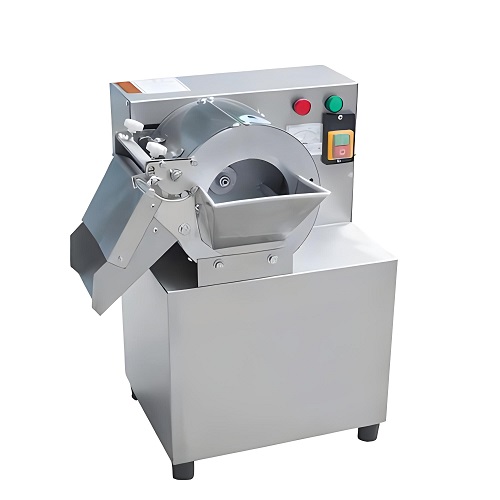
Commercial Cabbage slicers and vegetable Cutting Machines are now widely used in salad processing facilities, central kitchens, frozen food plants, and ready-meal production lines.
Instead of relying on individual operator skill, automated systems deliver repeatable performance throughout the production shift.
Why Commercial Cabbage Slicers Are Becoming Essential Equipment
Cabbage is one of the most widely used vegetables in food manufacturing. It serves as a key ingredient in coleslaw, salad blends, kimchi products, frozen vegetable mixes, and numerous prepared foods.
Because cabbage preparation is labor-intensive, processors increasingly rely on commercial cabbage slicers to achieve higher productivity and more consistent product quality.
Compared with manual cutting methods, automated cabbage slicers offer:
Higher processing speed
Uniform slice thickness
Reduced labor dependency
Lower product waste
Improved food safety standards
Simplified cleaning and maintenance
Product Details:
Beyond One Machine: Building a Complete Vegetable Processing Line
Leading food manufacturers are moving beyond standalone equipment and building integrated vegetable processing systems.
A modern production line may include:
Vegetable washing equipment
Sorting systems
Cabbage slicing machines
Dewatering systems
Packaging equipment
Integrated automation improves productivity, reduces labor requirements, and creates a more efficient workflow from raw materials to finished products.
Looking to Improve Vegetable Processing Efficiency?
Whether you produce fresh salads, coleslaw, kimchi, frozen vegetables, or ready-to-eat meals, choosing the right vegetable cutting equipment can dramatically improve productivity and profitability.
DY Food Machinery provides customized food processing solutions tailored to your production requirements and automation goals.