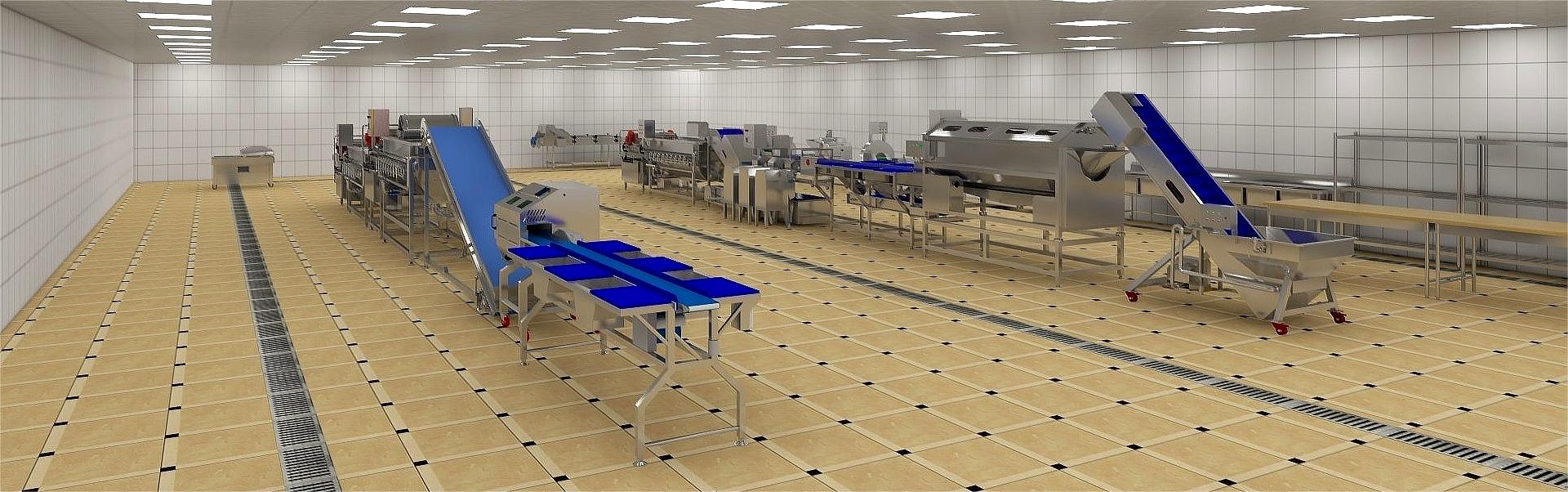
For food processing companies, washing vegetables is an essential step before cutting, cooking, packaging, or further processing. As production volumes increase, relying entirely on manual washing can make it difficult to maintain consistent cleaning results and processing efficiency. An industrial vegetable washing machine provides a more efficient way to handle larger quantities of vegetables while maintaining a controlled washing process.
For food processing plants, central kitchens, catering suppliers, and vegetable processing businesses, investing in suitable vegetable washing equipment can improve workflow and reduce the pressure on manual labor.
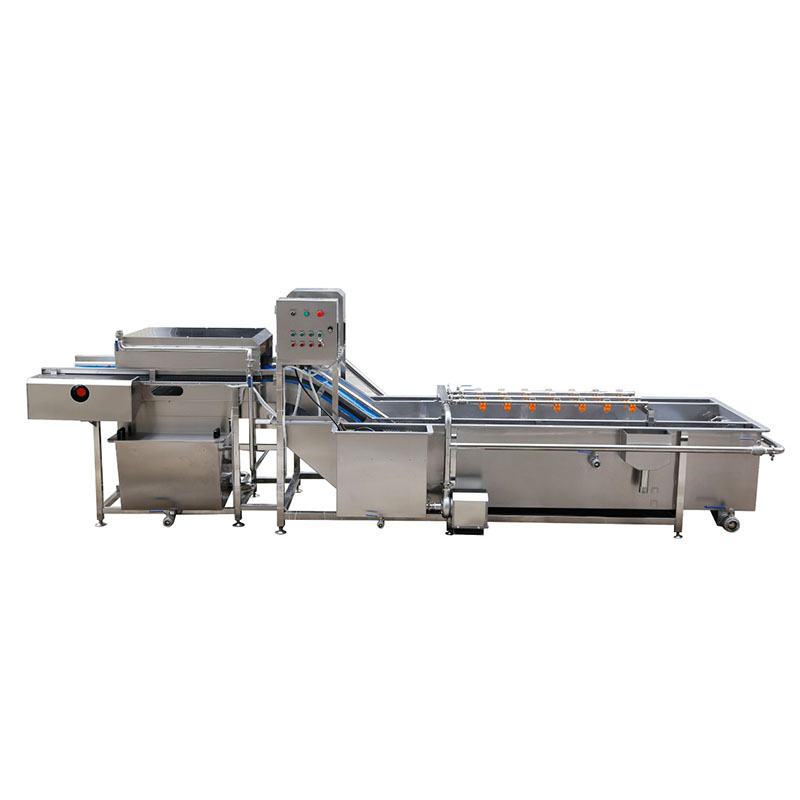
1. Handle Larger Volumes of Vegetables
Manual washing can become inefficient when a processing facility needs to handle hundreds or thousands of kilograms of vegetables per day. Workers need to repeatedly load, wash, rinse, and move vegetables between different processing stages.
An industrial vegetable washing machine is designed for continuous or high-volume processing. Depending on the machine configuration, vegetables can be fed into the washing system and transported through different cleaning stages with less manual handling.
This makes industrial washing equipment particularly useful for food processors that need to maintain a stable production flow.
2. Improve Washing Consistency
Manual washing results can vary depending on the worker, washing time, water flow, and condition of the vegetables. This can make it difficult to maintain consistent cleaning performance across a large production volume.
An Industrial Vegetable Washer can provide more controlled washing conditions. Parameters such as washing time, water flow, agitation, and conveying speed can be adjusted according to the characteristics of the vegetables and the required cleaning results.
More consistent processing can help food manufacturers establish a more standardized production workflow.
3. Reduce Labor Requirements
Vegetable washing can require significant manual labor, especially when the raw materials contain soil, sand, leaves, or other surface contaminants. Workers may also need to repeatedly move vegetables between washing, rinsing, and draining stages.
Automated or semi-automated washing equipment can reduce the amount of repetitive manual work required during the process. Employees can focus more on material inspection, quality control, equipment operation, and other production tasks.
For facilities facing increasing labor costs or difficulties recruiting production workers, this can be an important reason to consider industrial washing equipment.
4. Improve the Overall Production Workflow
A vegetable washing machine does not have to operate as an isolated piece of equipment. It can be integrated with conveyors, vegetable Cutting Machines, dewatering machines, sorting equipment, and other food processing machinery.
This allows manufacturers to create a more continuous processing line. Instead of manually transferring vegetables between each stage, materials can move from washing to cutting, dewatering, packaging, or other processes with less handling.
A better-connected workflow can help reduce unnecessary movement and improve overall production efficiency.
5. Handle Different Types of Vegetables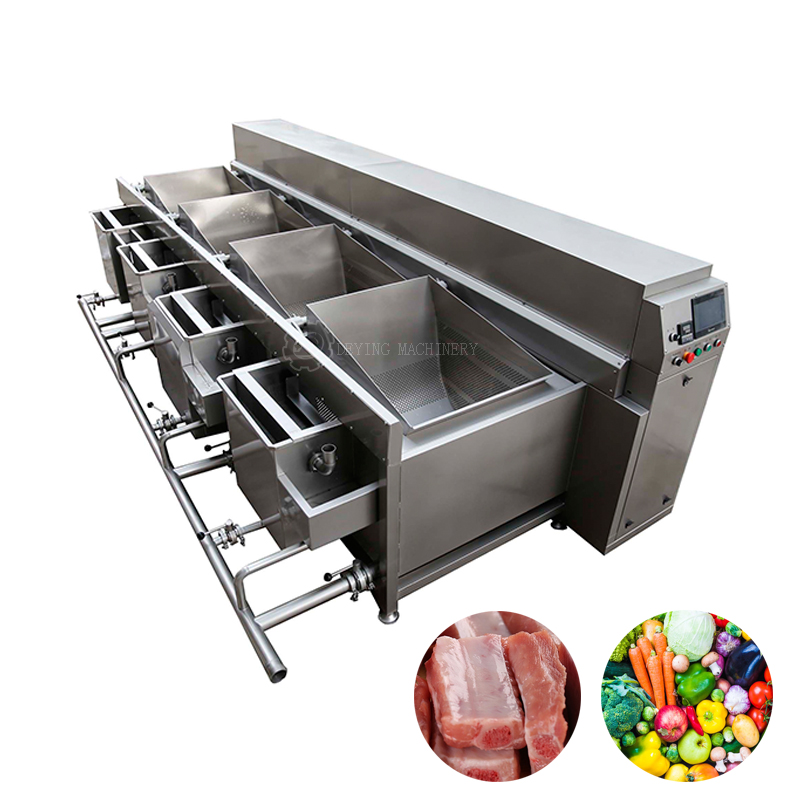
Industrial vegetable washing equipment can be configured for different types of raw materials. Depending on the machine design, it may be suitable for leafy vegetables, root vegetables, fruits, and other agricultural products.
Different washing technologies can also be selected according to the characteristics of the material. For example, bubble washing can provide gentle agitation for certain vegetables, while brush-based systems may be suitable for products that require more intensive surface cleaning.
The right configuration should be determined according to the vegetable type, contamination level, required capacity, and desired cleaning performance.
6. Improve Water and Process Management
Water management becomes increasingly important as the processing volume grows. Manual washing may involve repeated filling, draining, and changing of washing water.
Industrial vegetable washing systems can be designed with controlled water circulation, filtration, spraying, or other water-management functions depending on the equipment configuration. This can help food processors manage water use more systematically.
The actual water consumption depends on the washing method, raw material, contamination level, machine configuration, and operating conditions.
7. Support Food Processing Automation
For companies developing automated food Processing Lines, vegetable washing is an important stage to consider. Washing equipment can be connected with upstream and downstream machinery to create a more coordinated production process.
This is especially valuable for food processing plants that are expanding production capacity or looking to reduce dependence on repetitive manual operations.
When Is an Industrial Vegetable Washing Machine Worth the Investment?
An industrial vegetable washing machine can be a practical investment when a company handles large or growing volumes of vegetables and needs more consistent processing. It is particularly suitable for vegetable processing plants, central kitchens, food manufacturers, catering suppliers, and other commercial food operations.
For smaller operations, a compact or semi-automatic washing machine may be more appropriate. The investment should therefore be based on actual production capacity, available space, labor requirements, vegetable types, and future production plans.
How to Choose the Right industrial vegetable washer?
Before purchasing equipment, buyers should consider several factors:
Type of vegetables to be processed
Required processing capacity
Washing method
Degree of surface contamination
Available installation space
Water management requirements
Level of automation
Integration with other food processing equipment
Cleaning and maintenance requirements
A professional vegetable washing machine manufacturer can also help determine the appropriate machine configuration based on the customer's raw materials, production capacity, and processing requirements.
Investing in an industrial vegetable washing machine can help food processing companies handle higher volumes, improve washing consistency, reduce repetitive manual work, and create a more efficient production workflow.
Rather than simply replacing manual washing, the right vegetable washing equipment can become an important part of an integrated food processing line. For businesses planning to increase production capacity or improve processing efficiency, evaluating an industrial vegetable washer can be a worthwhile step.