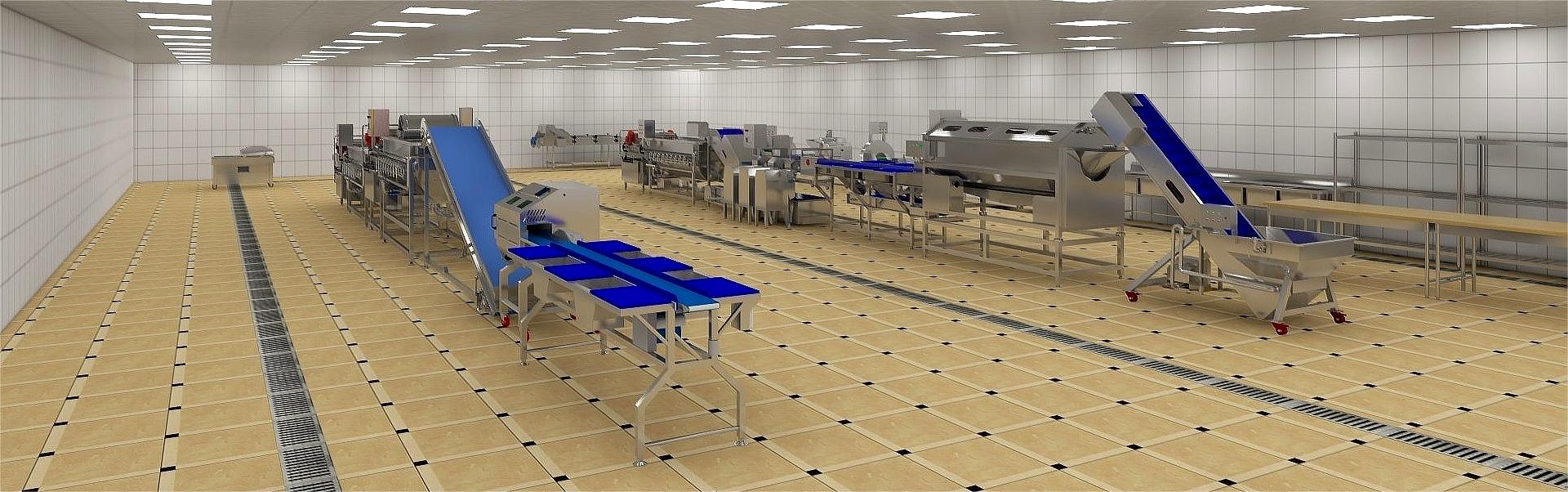
A fish deboning machine is designed to automatically cut fish and separate the fish fillets from the middle bone. It is widely used in seafood processing plants, frozen food production, and other fish processing applications where consistent processing and higher production efficiency are required.
Compared with manual fish cutting and deboning, an automatic fish deboning machine can continuously process fish through a feeding and positioning system. The fish is accurately guided through the cutting mechanism, producing two pieces of fish fillet and one middle bone while removing the fish meat from the central bone.
For commercial fish processing applications, the Fish Deboning Machine provides an automated solution for different fish species and production requirements.
What Is a Fish Deboning Machine?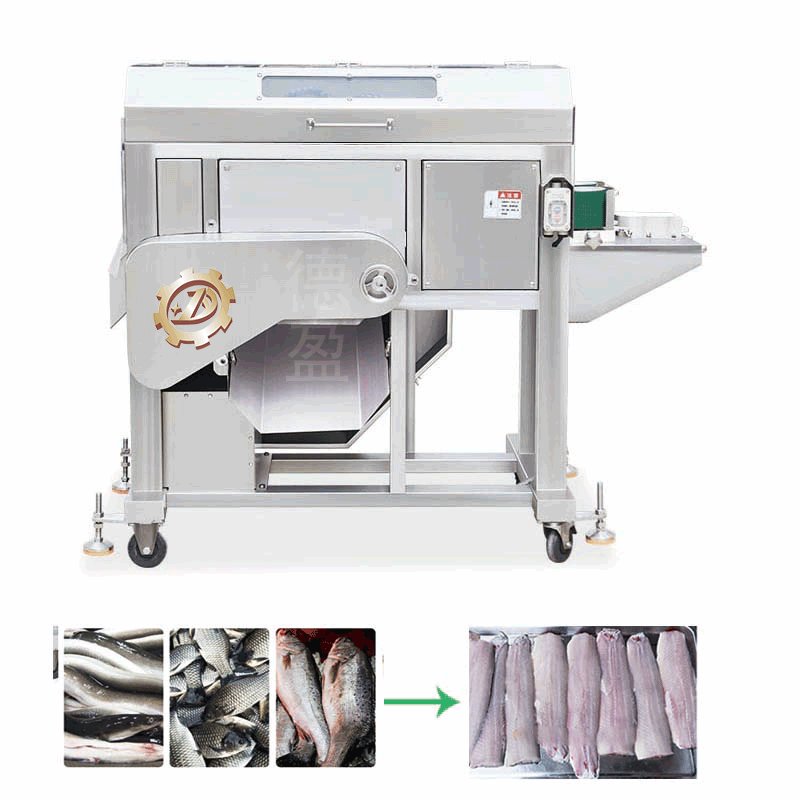
A fish deboning machine is a type of fish processing equipment used to cut fish and remove the central bone while retaining as much usable fish meat as possible.
The machine uses a feeding system, positioning mechanism, main deboning blade, auxiliary blade, and conveyor system to guide the fish through the cutting process. During operation, the fish body is divided into two fish fillets and one middle bone. The processed fillets are discharged horizontally through the conveyor, while the fish bone is discharged from the bottom of the machine.
This automated process can reduce repetitive manual work and provide a more consistent cutting operation for commercial seafood processing.
Technical Specifications of the Fish Deboning Machine
| Parameter | Specification |
|---|---|
| Model | Customizable |
| Power Supply | 380V 3-Phase |
| Total Motor Power | 1.9 kW |
| Motor Type | Brushless DC |
| Dimensions | 1587 × 817 × 1260 mm |
| Belt Length | 2.6 m |
| Material | SUS304 Food-Grade Stainless Steel |
| Main Deboning Blade | 350 × 3 mm |
| Abdominal Blade | 200 × 3 mm |
| Blade Speed | 1,200–1,500 RPM, Adjustable |
| Efficiency | 20–40 fish/minute, depending on fish size |
| Noise Level | <65 dB |
| Weight | Approx. 380 kg |
How Does a Fish Deboning Machine Work?
The fish deboning process combines stable feeding, fish positioning, blade cutting, and automatic discharge. Proper feeding and positioning are important because the fish needs to remain centered as it passes through the cutting mechanism.
1. Fish Feeding
After startup and a short no-load test, fish are continuously fed into the hopper. The feeding system uses a feeding belt and clamping belts to hold and transport the fish.
A V-shaped guide groove helps keep the fish centered during transportation. The clamping mechanism can also be adjusted according to the size of the fish to improve feeding stability.
2. Fish Positioning
The positioning system helps keep the fish in the correct position before it reaches the cutting blades. Stable positioning is important for maintaining consistent cutting results and reducing unnecessary damage to the fish meat.
3. Main and Auxiliary Cutting
The auxiliary blade works together with the main deboning blade to cut the fish accurately. The blade position and cutting clearance can be adjusted according to fish size and processing requirements.
The cutting mechanism is designed to divide the fish into two fillets and one middle bone while removing the usable meat from the central bone.
4. Automatic Discharge
After cutting, the two fish fillets are transported horizontally through the conveyor system, while the middle fish bone is discharged from the bottom of the machine.
The separated fish fillets can then be transferred to subsequent equipment for peeling, washing, trimming, freezing, seasoning, or packaging.
Key Features of the Fish Deboning Machine
304 Stainless Steel Construction
The machine is constructed from SUS304 food-grade stainless steel. The material provides corrosion resistance and makes the equipment suitable for wet seafood processing environments.
The stainless steel construction also makes the machine easier to clean after processing, which is important for maintaining hygienic production conditions.
Stable Fish Feeding System
The feeding system combines one feeding belt with two clamping belts. The V-shaped guide groove helps keep the fish centered during transportation and reduces slipping during feeding.
The adjustable clamping structure allows the feeding position to be adapted to different fish sizes and processing conditions.
Adjustable Blade System
The machine uses a main deboning blade and an auxiliary blade to achieve accurate fish cutting. Blade positioning can be adjusted according to the size and thickness of the fish.
The cutting mechanism also uses removable blade components, making replacement, cleaning, and maintenance more convenient.
Efficient Fish Processing
The machine can process approximately 20–40 fish per minute, depending on the fish species and size. This makes it suitable for commercial fish processing operations that require continuous production.
Modular Structure
The fish deboning machine uses a modular design in which major functional components can be removed and maintained independently. Blades and conveying components can be quickly removed for cleaning, inspection, or replacement.
This structure also makes it easier to integrate the machine into an existing fish processing line.
Safety Protection
The machine is equipped with safety protection features such as a blade protective cover and emergency stop button. The cutting mechanism is designed to stop when the protective cover is opened.
Operators should never open the machine cover or reach into the cutting area while the equipment is operating.
What Fish Can Be Processed?
The fish deboning machine can be used for several commonly processed fish species, including:
Snakehead
Grass Carp
Sea Bass
Qingjiang Fish
Bighead Carp
Other suitable fish species
Because fish size and body shape can vary considerably between species, buyers should provide information about the fish species, average size, weight, and processing requirements when selecting or customizing the equipment.
Applications of Fish Deboning Equipment
Seafood Processing Plants
Seafood processing plants can use automatic fish deboning equipment for continuous production of fish fillets. The machine can help reduce manual cutting operations and improve processing efficiency for larger orders.
Frozen Food Production
Frozen food manufacturers can use deboned fish as raw material for frozen fish fillets, seasoned fish products, and other prepared seafood products. Automated cutting can help improve consistency before subsequent freezing and packaging processes.
Canned Food Production
Fish deboning equipment can also provide cleaned and separated fish meat for canned seafood products. Fish such as grass carp, sea bass, and other suitable species can be processed before further cooking, seasoning, or canning.
Advantages of Automatic Fish Deboning
Higher processing efficiency: Continuous mechanical processing can handle more fish than individual manual cutting operations.
Reduced manual labor: Automated feeding and cutting reduce repetitive manual deboning work.
Consistent processing: Stable positioning and adjustable blades help maintain a consistent cutting process.
Better meat utilization: The main and auxiliary blades are designed to remove fish meat from the middle bone effectively.
Easy cleaning: Stainless steel construction and removable components simplify daily cleaning.
Flexible applications: The machine can be adapted for different fish species and integrated into fish Processing Lines.
How to Operate a Fish Deboning Machine?
Before starting the machine, operators should check the blades, fasteners, feeding system, and hopper. The machine should first be tested by inching the motor and checking for abnormal friction or noise.
After confirming that the machine operates normally, perform a short no-load test. The recommended no-load operation should generally not exceed 30 seconds.
Fish should then be fed continuously and evenly. Avoid running the machine without material for extended periods. Hard foreign objects such as stones or metal must not enter the feeding system because they may damage the blades or other components.
During operation, the operator should monitor the feeding position, cutting result, and fish size. If the fish specification changes, the blade position and clamping mechanism should be adjusted accordingly.
Fish Deboning Machine Maintenance
Daily Maintenance
After each production shift, stop the machine and remove food-contact components such as the conveyor belt and blades. Clean processing residues with clean water and dry the removable components before reassembly.
Do not directly spray the motor or electrical components with a high-pressure water gun. Check the blade edges, fasteners, conveyor belt, and other working components for damage or looseness.
Regular Maintenance
Regular maintenance should include checking the transmission chain and belt, lubricating bearings, checking the reducer, inspecting conveyor belt wear, and testing electrical connections and emergency stop functions.
If the machine has been unused for an extended period, it should be inspected and operated according to the manufacturer's maintenance recommendations before returning to production.
What If Fish Bones Are Not Completely Removed?
Incomplete fish bone removal can be related to blade position, blade wear, cutting clearance, fish positioning, or inconsistent feeding.
First, check whether the blades are correctly installed and whether the cutting edges are worn. If the clearance between the blade and conveyor is too large, adjust the blade position to achieve the required cutting depth.
When processing fish of different sizes, the clamping position and blade settings should also be adjusted to keep the fish centered. Maintaining a uniform feeding speed can further help improve cutting consistency.
How to Choose a Fish Deboning Machine?
Before purchasing a fish deboning machine, consider the following factors:
Fish species: Different fish have different body shapes, sizes, and bone structures.
Fish size: Confirm the suitable size range for the machine.
Required capacity: Match the machine's processing efficiency with your production volume.
Blade configuration: Check the main and auxiliary blade specifications and adjustment range.
Machine material: Food-grade stainless steel is suitable for wet seafood processing environments.
Installation space: Check the overall dimensions and required operating space.
Downstream equipment: Consider how the deboning machine will connect with peeling, washing, freezing, or packaging equipment.
Customization: For different fish species or production requirements, confirm whether the machine configuration can be customized.
A fish deboning machine provides an automated solution for separating fish fillets from the central bone. With a stable feeding system, adjustable cutting mechanism, SUS304 stainless steel construction, and a processing efficiency of approximately 20–40 fish per minute depending on fish size, it can be used for commercial seafood and fish processing applications.
From aquatic processing plants and frozen food manufacturers to canned food production, automated fish deboning can help reduce repetitive manual work and create a more continuous processing workflow.
If you are looking for a Fish Bone Removal Machine for grass carp, sea bass, snakehead, bighead carp, or other fish species, visit our Fish Deboning Machine product page for more information.
Have a specific fish species, size, or production capacity? Contact our team with your fish specifications and processing requirements. We can help you evaluate the suitable machine configuration and provide a solution for your fish processing line.