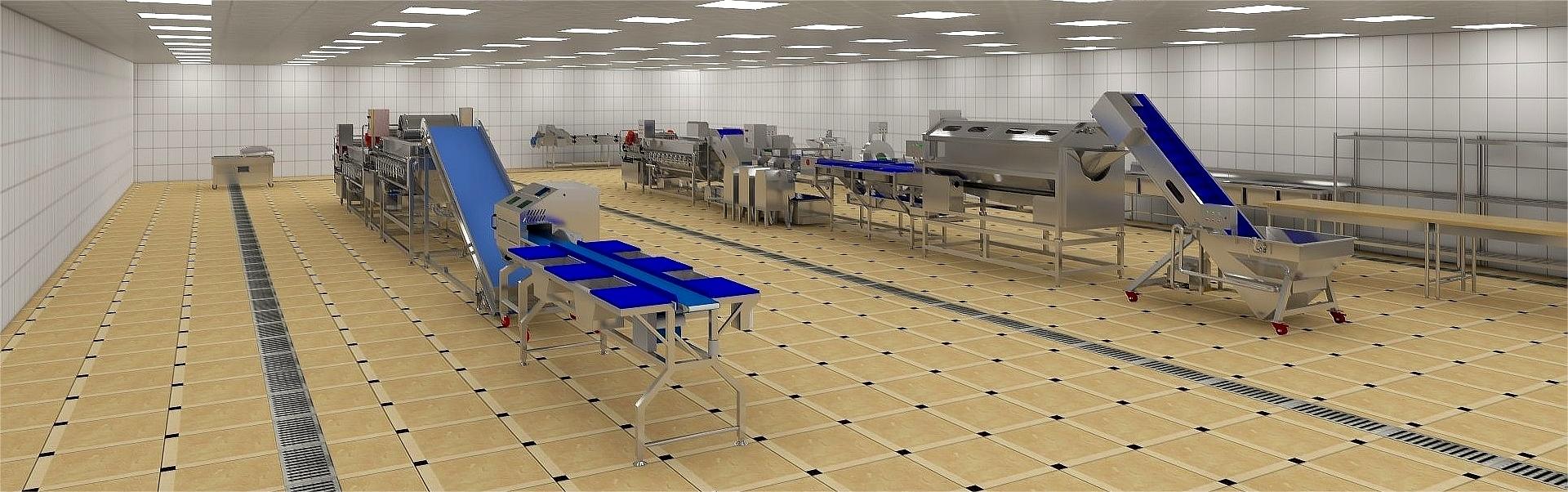
An industrial Meat Dicer is a food processing machine designed to cut meat into uniform cubes, strips, or smaller pieces for commercial and industrial production. It is commonly used in meat processing plants, poultry factories, frozen food manufacturers, and prepared food production facilities.
Compared with manual meat cutting, an industrial meat dicing machine can improve processing efficiency, reduce repetitive labor, and help manufacturers achieve more consistent product dimensions. Depending on the machine design, it may process different types of meat, including beef, pork, and chicken.
For food manufacturers and equipment buyers, understanding the working principle, machine components, applications, and technical specifications of an industrial meat dicer is essential when selecting equipment for a production line.
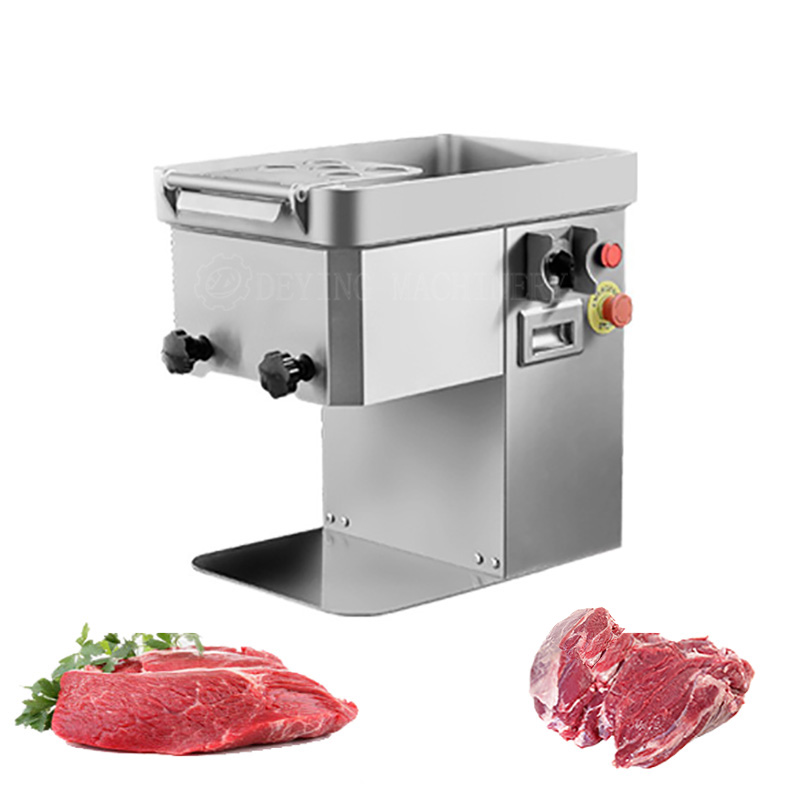
1. What Does an Industrial Meat Dicer Do?
The main function of an industrial meat dicer is to divide prepared meat materials into pieces of specified dimensions. These pieces can then be used in further food processing operations, such as mixing, seasoning, cooking, freezing, or packaging.
Common applications include:
Diced beef: Used in beef stews, soups, canned meat, and ready meals.
Diced pork: Used in sausages, dumplings, meat fillings, and marinated food products.
Diced chicken: Used in frozen meals, poultry fillings, salads, and prepared food ingredients.
Other meat products: Certain machine configurations may also support other suitable boneless meat materials.
Depending on the equipment configuration, an industrial meat dicer can produce different cutting dimensions to meet the needs of various food manufacturing processes.
2. How Does an Industrial Meat Dicer Work?
Although the detailed structure varies by model, most industrial meat dicing machines follow a similar processing sequence. The raw material is prepared and fed into the machine, where a cutting system divides it into pieces of the required dimensions.
Step 1: Raw Material Preparation
Before dicing, meat is prepared according to the machine's operating requirements. This may involve trimming, removing unsuitable parts, cutting the meat into manageable sections, and controlling its temperature. The raw material should be suitable for the specific machine model.
Step 2: Feeding the Meat into the Machine
The prepared meat is placed into the feeding area. Depending on the machine design, feeding may be manual or integrated with an automated production system. A stable feeding process helps maintain consistent material movement through the cutting section.
Step 3: Meat Cutting and Dicing
The cutting system uses a combination of blades or cutting components to divide the meat into smaller pieces. The blade arrangement and machine settings determine the available cutting dimensions. The actual result also depends on the type, temperature, and condition of the meat.
Step 4: Product Discharge
After cutting, the diced meat is discharged from the machine for collection or transfer to the next processing stage. It may then be sent to mixing, weighing, freezing, cooking, or packaging equipment.
3. Main Components of an Industrial Meat Dicing Machine
Understanding the main machine components helps buyers evaluate equipment construction, maintenance requirements, and suitability for different processing applications.
Feeding System
The feeding system transfers raw meat into the cutting area. Its design affects material handling and feeding stability. Buyers should check the feeding opening and capacity against the dimensions of their prepared meat materials.
Cutting Blade Assembly
The blade assembly is one of the most important parts of a meat dicer. Its arrangement and specifications influence cutting dimensions, product appearance, and processing performance. Blade maintenance and replacement should also be considered when evaluating long-term operating costs.
Drive System
The drive system provides the power required to operate the cutting mechanism and other moving components. Motor power, transmission design, and operating speed vary by equipment model and should be matched to the intended processing requirements.
Machine Frame and Housing
The frame supports the machine structure and its operating components. For food processing applications, buyers should pay attention to construction materials, surface finish, accessibility, and resistance to the working environment.
Control System
The control system allows operators to manage machine operation and, depending on the model, adjust relevant operating parameters. Some industrial meat dicing machines also include safety interlocks and other protective features.
4. Different Types of Industrial Meat Dicers
Industrial meat dicing equipment is available in different configurations to suit different raw materials, processing volumes, and production requirements.
| Machine Type | Main Function | Typical Applications |
|---|---|---|
| Fresh Meat Dicer | Cuts suitable fresh or chilled meat into smaller pieces | Fresh meat processing and prepared food production |
| Frozen Meat Dicer | Processes frozen meat within the machine's specified material range | Frozen meat processing and industrial food manufacturing |
| Automatic Meat Dicer | Supports automated or continuous processing operations | Higher-volume meat Processing Lines |
| Commercial Meat Dicing Machine | Provides mechanical meat cutting for commercial food production | Food factories and commercial processing facilities |
These categories may overlap. For example, an automatic industrial meat dicer may also be designed for a particular type of frozen or chilled meat. Buyers should compare actual machine specifications rather than relying on product names alone.
5. What Factors Affect Meat Dicing Performance?
The performance of an industrial meat dicer depends on several factors. Understanding them helps manufacturers achieve more consistent processing results.
Raw material temperature: Fresh, chilled, and frozen meat have different physical properties and may require different machine configurations.
Meat texture and structure: Muscle fibers, connective tissue, and fat distribution can affect cutting resistance.
Blade condition: Blade sharpness, alignment, and maintenance influence cutting quality and operating stability.
Cutting dimensions: The required cube size must be compatible with the machine's cutting configuration.
Feeding consistency: Irregular feeding may affect processing stability and the consistency of finished pieces.
Machine capacity: Operating beyond the recommended processing range may affect performance and product quality.
6. What Are the Applications of Industrial Meat Dicers?
Industrial meat dicing machines are used across various sectors of the food processing industry.
Meat Processing Plants
Meat processing facilities use industrial meat dicers to prepare beef, pork, and other suitable meat materials for further processing, portioning, and packaging.
Frozen Food Manufacturing
Frozen food manufacturers use diced meat as an ingredient in frozen meals, ready-to-cook products, and prepared food combinations. Equipment selection should account for the temperature and hardness of the raw material.
Sausage and Meat Product Production
Diced meat can be used in certain sausage products, meat fillings, and processed meat recipes. Consistent piece dimensions help manufacturers maintain product specifications during subsequent mixing and processing.
Ready Meal and Foodservice Production
Food manufacturers and foodservice suppliers use diced meat in soups, stews, sauces, salads, and ready meals. The required cutting dimensions depend on the recipe and final product presentation.
7. How to Choose the Right Industrial Meat Dicer
Selecting the right industrial meat dicer requires matching machine specifications with the actual needs of the production facility.
Define Your Raw Material
Confirm the meat type and whether it will be processed fresh, chilled, or frozen. Also identify whether the material is boneless and whether additional preparation is required before feeding.
Confirm the Required Cutting Dimensions
Specify the target cube or strip dimensions. If several sizes are needed, discuss the available blade configurations and changeover requirements with the manufacturer.
Calculate Required Processing Capacity
Estimate the required output per hour and consider the capacity of connected equipment. A suitable machine should fit the overall production workflow rather than operate as an isolated unit.
Evaluate Hygiene and Maintenance
Check the materials used in food-contact areas, cleaning access, disassembly requirements, and blade replacement procedures. Request the relevant technical documentation and maintenance instructions.
Review Supplier Support
Evaluate the supplier's experience with Meat Processing Equipment, technical communication, spare parts availability, installation guidance, and after-sales service.
8. What Specifications Should Buyers Check Before Purchasing?
Before requesting a quotation from an industrial meat dicer manufacturer, prepare a clear list of technical and production requirements.
| Specification | What to Confirm |
|---|---|
| Meat Type | Beef, pork, chicken, or other suitable materials |
| Material Condition | Fresh, chilled, or frozen; specify the operating temperature range |
| Cutting Size | Required length, width, and height of meat pieces |
| Processing Capacity | Target output per hour or per production shift |
| Machine Power | Motor power, voltage, frequency, and local power requirements |
| Construction | Frame and food-contact material specifications |
| Machine Dimensions | Overall size, feeding height, and available factory space |
| Cleaning and Maintenance | Cleaning procedures, blade replacement, and routine maintenance |
These details help equipment suppliers assess the application and recommend a suitable industrial meat dicing machine for the buyer's production requirements.
Frequently Asked Questions
What is the difference between a meat dicer and a meat slicer?
A meat dicer cuts meat into cubes or smaller pieces, while a meat slicer is designed to produce slices of a specified thickness. The right machine depends on the required shape of the final product and the processing application.
Can an industrial meat dicer process different types of meat?
Some machines can process multiple types of suitable boneless meat, such as beef, pork, and chicken. However, compatibility depends on raw material condition, machine configuration, and cutting requirements. Buyers should confirm the specifications with the manufacturer.
What is the difference between a fresh meat dicer and a frozen meat dicer?
They are designed for different raw material conditions. Frozen meat dicers are built to handle frozen materials within a specified temperature and hardness range, while fresh meat dicers are intended for fresh or chilled meat. The two should not be treated as interchangeable without manufacturer confirmation.
How do I determine the required capacity of a meat dicing machine?
Calculate the amount of meat that needs to be processed per hour or per shift. Then consider raw material preparation, feeding speed, operating time, and downstream equipment capacity. Ask the supplier to confirm the expected output under your actual processing conditions.
How often should meat dicer blades be maintained?
Blade inspection and maintenance frequency depend on usage intensity, raw material characteristics, and the manufacturer's recommendations. Regularly check blade sharpness, alignment, wear, and damage, and follow the specified cleaning and replacement procedures.
An industrial meat dicer is an essential piece of equipment for many commercial meat processing operations. By converting prepared meat into consistent cubes or smaller pieces, it supports the production of ingredients for frozen foods, ready meals, processed meat products, and other food applications.
When choosing an industrial meat dicing machine, buyers should focus on raw material compatibility, cutting dimensions, production capacity, machine construction, and maintenance requirements. Providing detailed processing specifications to an experienced equipment manufacturer is an effective way to identify a suitable machine for your production line.