How to Use a Juicer Machine: A Complete Guide to Commercial and Industrial Juice Production
Introduction
Fresh fruit juice continues to gain popularity as consumers look for healthier beverages made from natural ingredients. Whether producing apple juice, citrus juice, or mixed fruit beverages, selecting the right Juicer Machine is essential for improving productivity, maximizing juice yield, and maintaining consistent product quality.
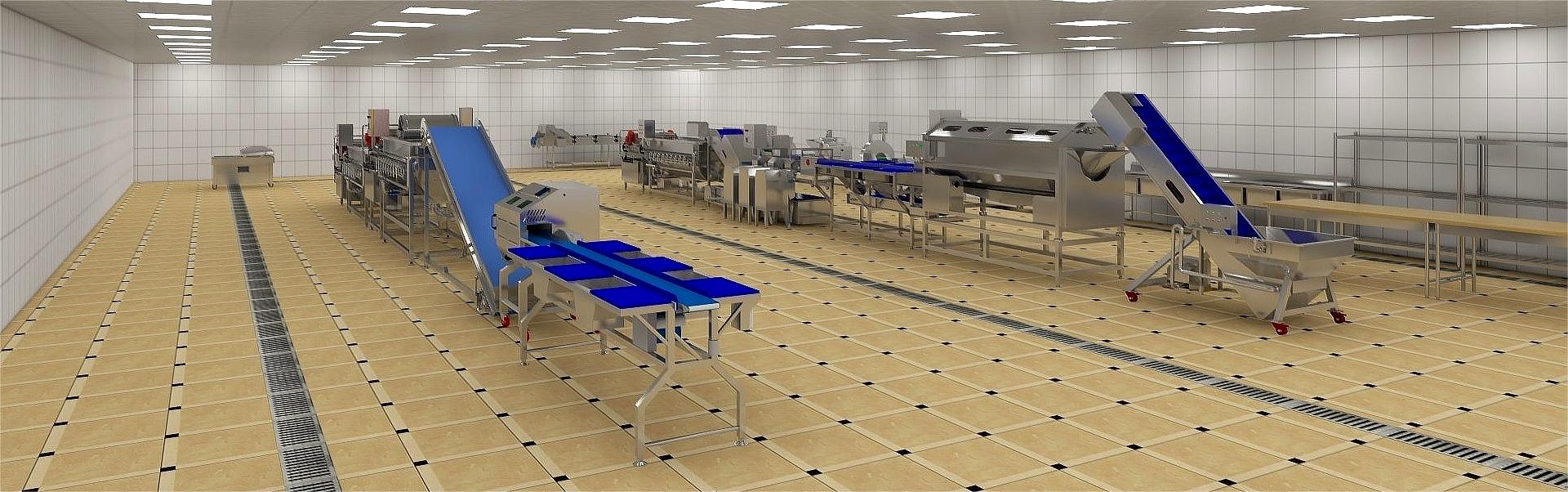
From a compact juice orange machine for cafés to a large industrial juice machine used in food processing plants, modern equipment can automate juice extraction while reducing labor costs. For businesses producing fresh squeezed orange juice, investing in reliable equipment is an important step toward efficient production. Industrial apple juicers often use continuous pressing or integrated crushing and pressing technology to improve extraction efficiency and juice yield.
What Is a Juicer Machine?
A juicer machine is food processing equipment designed to extract juice from fruits and vegetables while separating juice from pulp and other solid materials.
Depending on the production scale, machines range from small commercial units to fully automated industrial systems.
Modern juicer machines can process:
Apples
Oranges
Lemons
Mangoes
Watermelons
Tomatoes
Strawberries
Leafy vegetables
Many industrial models are suitable for both fruit and vegetable processing and support applications such as beverage production, ingredient preparation, and liquid food mixing.
How to Use a Juicer Machine
Using a juicer machine correctly helps maximize juice yield while protecting the equipment.
Step 1. Prepare the Fruit
Wash all fruits thoroughly to remove dirt and impurities.
For apples, remove damaged portions if necessary.
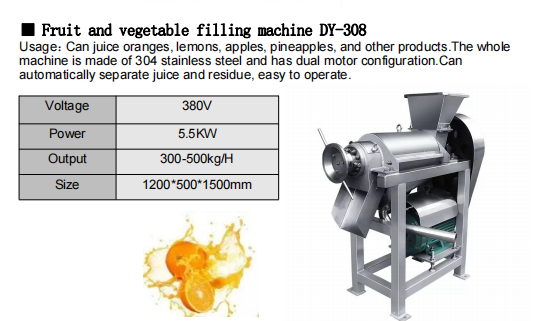
For oranges, lemons, and similar citrus fruits, preparation depends on the machine design. A dedicated commercial orange juicer machine or fresh squeezed orange juice machine is typically optimized for citrus extraction, while multifunctional juicers can process a wider variety of produce.
Step 2. Inspect the Machine
Before starting production:
Check the power supply.
Ensure all safety guards are installed.
Verify that blades or pressing components are clean.
Confirm the juice container and pulp outlet are correctly positioned.
Routine inspection helps maintain stable operation and food safety.
Step 3. Feed the Fruit
Place fruit into the feeding inlet according to the machine's recommended capacity.
Avoid overloading the hopper, as this may reduce processing efficiency.
Industrial apple juicers often use screw-feeding systems to transport fruit into the pressing chamber for continuous juice extraction.
Step 4. Start Juice Extraction
Turn on the machine and allow the motor to drive the cutting blades or pressing mechanism.
Depending on the machine type, juice extraction may occur through:
High-speed cutting
Crushing and pressing
Screw extrusion
Continuous pressing
Industrial juice systems generally separate juice and pulp automatically, making continuous production more efficient.
Step 5. Collect the Juice
Fresh juice flows into the collection container, while pulp is discharged separately.
For beverage manufacturers producing green machine juice, apple blends, or citrus products, consistent separation improves product quality and simplifies downstream processing.
Step 6. Clean the Equipment
After production:
Disconnect the power.
Remove detachable components.
Wash food-contact parts thoroughly.
Dry the equipment before storage.
Regular cleaning extends equipment life and helps maintain hygienic production standards.
Choosing the Right Juicer Machine
Different production environments require different equipment.
Apple Juice Production
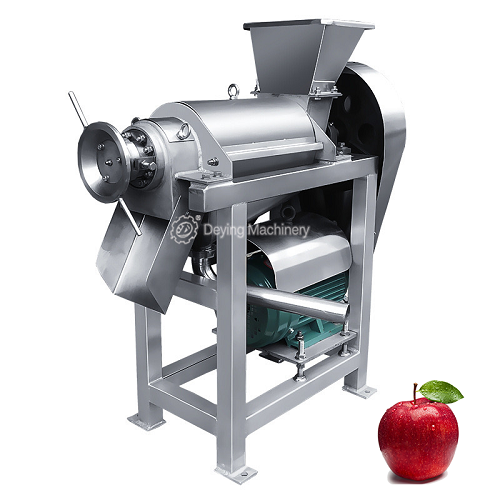
An industrial Apple Juicer Machine is ideal for continuous apple processing. Many systems integrate crushing and pressing functions, reducing manual handling and improving juice yield.
Recommended product:
Apple Juicer Machine:https://www.dyfoodmachines.com/peeling-polishing-series/apple-juicer-machine/
Fresh Squeezed Orange Juice Production
Businesses producing fresh citrus beverages often choose a dedicated fresh squeezed orange juice machine or commercial orange juicer machine.
These machines are commonly used in:
Juice shops
Supermarkets
Hotels
Restaurants
Beverage factories
Large-Scale Beverage Manufacturing
For factories producing thousands of liters per day, an industrial orange juicer machine or industrial juice machine offers higher throughput, continuous operation, and improved production efficiency.
Benefits of Using an Industrial Juice Machine
Higher Production Efficiency
Industrial equipment processes significantly more fruit than manual methods.
Automation reduces production time and supports continuous manufacturing.
Better Juice Yield
Modern pressing technology extracts more juice while reducing waste.
Efficient pulp separation also improves the quality of the final beverage.
Consistent Product Quality
Automatic control helps maintain:
Stable processing speed
Uniform juice consistency
Reliable production quality
Lower Labor Costs
One industrial juicer can replace multiple manual processing steps, helping businesses improve productivity while reducing operating costs.
Applications of Juicer Machines
Modern juicer machines are widely used in:
Fruit juice factories
Beverage manufacturers
Commercial kitchens
Hotels
Supermarkets
Fresh juice stores
Food processing plants
They are suitable for producing:
Apple juice
Orange juice
Lemon juice
Mixed fruit beverages
Vegetable juice
Green machine juice blends
Why Choose DY Food Machines?
DY Food Machines provides professional Fruit Processing Equipment for commercial and industrial applications.
Its product range includes:
Apple Juicer Machine
Multifunctional Juicer Machine
Fruit processing equipment
Complete food processing solutions
The company's juicer machines are suitable for processing apples, oranges, lemons, tomatoes, strawberries, and leafy vegetables, supporting a wide range of beverage production requirements.
Frequently Asked Questions
How do you use a juicer machine?
Prepare the fruit, inspect the equipment, feed the materials, start the machine, collect the juice, and clean the machine after use.
What is the difference between a commercial orange juicer machine and an industrial orange juicer machine?
A commercial orange juicer machine is designed for restaurants, cafés, and retail juice shops, while an industrial orange juicer machine is built for continuous, high-volume production in beverage factories.
Can one juicer machine process different fruits?
Yes. Many multifunctional juicer machines can process apples, oranges, mangoes, tomatoes, strawberries, and various vegetables, depending on the machine configuration.
Which machine is best for fresh squeezed orange juice?
A dedicated fresh squeezed orange juice machine or commercial orange juicer machine is generally the best choice for producing high-quality citrus juice efficiently.
Conclusion
Learning how to use a juicer machine correctly is essential for achieving efficient, hygienic, and consistent juice production. Whether your business produces apple juice, fresh citrus beverages, or healthy green machine juice blends, selecting the right equipment can significantly improve productivity and product quality.
For businesses looking to expand commercial or industrial juice production, reliable commercial orange juicer machines, industrial orange juicer machines, and multifunctional industrial juice machines provide the performance needed to meet growing market demand.