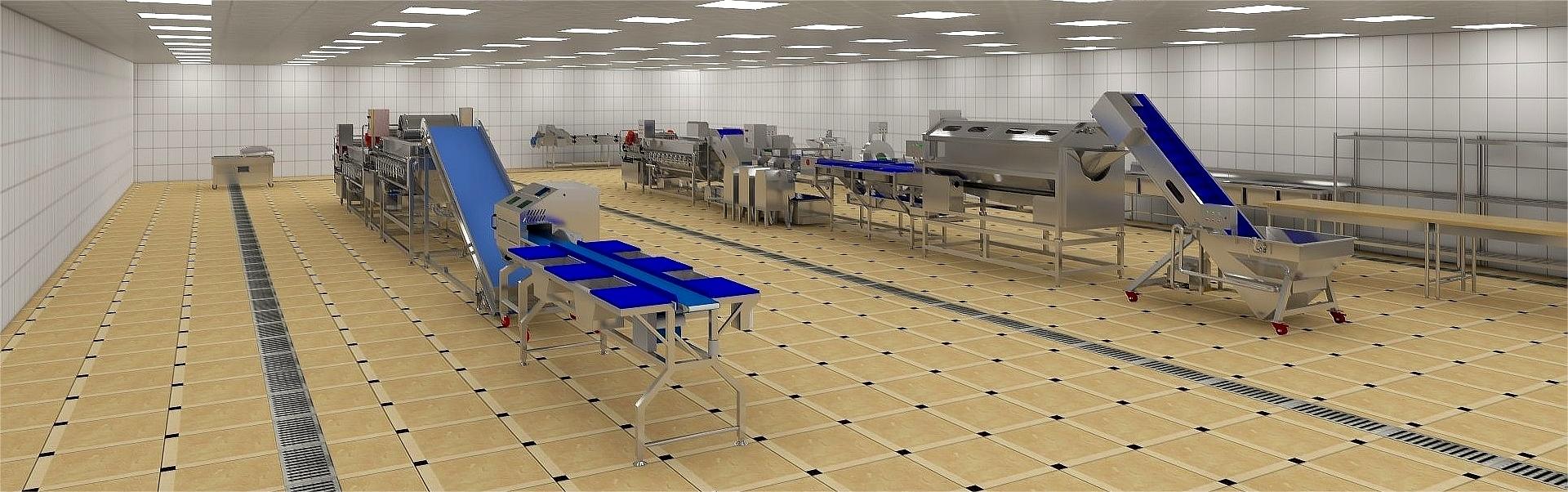
In commercial meat processing, achieving consistent cutting sizes and maintaining efficient production are essential for product quality and operational performance. An industrial Meat Dicer is widely used to cut beef, pork, and chicken into uniform cubes or strips for further processing, packaging, and food manufacturing.
For meat processing plants, food manufacturers, and industrial food equipment buyers, selecting the right meat dicing machine depends on the type of raw material, required cutting dimensions, production capacity, and processing conditions. Understanding how different meats behave during dicing can help businesses choose suitable equipment for their production lines.
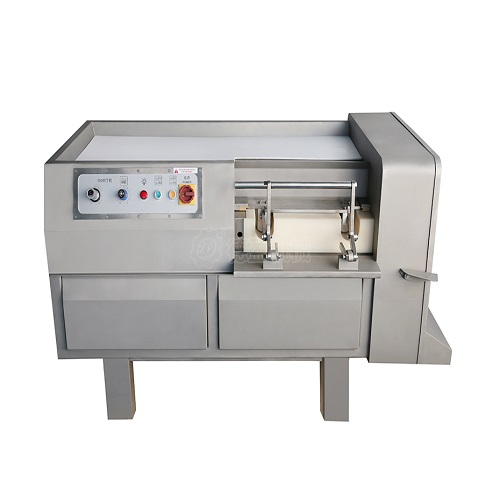
1. Why Use an Industrial meat dicer for Meat Processing?
An industrial meat dicer is designed to process meat into consistent pieces at a higher production volume than manual cutting. It helps food manufacturers improve processing efficiency and maintain more consistent product dimensions.
Common benefits of using an automatic meat dicing machine include:
Consistent cutting sizes: Produces meat cubes or strips with more uniform dimensions for standardized food products.
Higher processing efficiency: Reduces manual cutting work and supports continuous meat processing operations.
Improved production consistency: Helps maintain repeatable cutting results across production batches.
Reduced labor requirements: Automates repetitive cutting tasks and improves workforce allocation.
Flexible processing applications: Supports different meat products and downstream food manufacturing processes, depending on machine configuration.
2. Industrial Meat Dicing for Beef Processing
Beef is used in a wide range of processed food products, including stews, ready meals, meat sauces, canned foods, and prepared ingredients. An industrial beef dicing machine helps cut beef into controlled sizes to meet different product requirements.
Key Considerations When Dicing Beef
Meat texture: Beef muscle structure and connective tissue can affect cutting resistance and the final appearance of meat cubes.
Raw material temperature: Fresh, chilled, and partially frozen beef may require different processing conditions.
Cutting dimensions: The required cube size should be determined by the final product and cooking application.
Fat distribution: Different beef cuts contain different amounts of fat, which may influence cutting performance.
For beef processing plants, choosing a suitable industrial meat dicer can help improve the consistency of diced beef used in soups, stews, frozen meals, and other prepared food products.
3. Industrial Meat Dicing for Pork Processing
Pork is commonly processed into diced meat for sausages, dumplings, meat fillings, marinated products, ready-to-cook meals, and other processed foods. A commercial pork dicing machine can help manufacturers prepare uniform pork pieces for subsequent mixing, seasoning, and packaging.
Important Factors for Pork Dicing
Fat and lean meat ratio: Pork cuts vary in fat content, so processing requirements should be considered when selecting equipment.
Cutting consistency: Uniform pork cubes help improve the consistency of meat mixtures and finished products.
Product application: Dicing dimensions may vary for sausage ingredients, meat fillings, and ready-to-cook products.
Processing temperature: The condition of the pork before cutting can affect feeding and cutting performance.
When sourcing an industrial pork dicing machine, buyers should evaluate its compatibility with the required raw materials, target output, and production workflow.
4. Industrial Meat Dicing for Chicken Processing
Chicken is widely used in frozen food, ready meals, canned products, salads, meat fillings, and foodservice ingredients. An industrial chicken dicer helps poultry processors cut chicken meat into smaller, more consistent pieces for different applications.
What to Consider When Dicing Chicken
Meat structure: Chicken breast, thigh meat, and other poultry cuts have different textures and processing characteristics.
Skin and bone requirements: Buyers should confirm whether the machine is intended for boneless meat or a specific prepared raw material.
Cube size: Cutting dimensions should match the requirements of the final food product.
Feeding and processing method: The machine should be compatible with the intended production volume and material preparation process.
For poultry processing businesses, selecting a suitable chicken meat dicing machine can support the preparation of diced chicken for nuggets, fillings, frozen meals, and other processed food products.
5. Beef vs. Pork vs. Chicken: Meat Dicing Considerations
Although the same general type of industrial meat dicer may be used for different meat products, raw material characteristics and processing requirements should be evaluated before production.
| Meat Type | Key Processing Considerations | Common Applications |
|---|---|---|
| Beef | Muscle structure, connective tissue, fat distribution, and temperature | Stews, soups, canned foods, ready meals |
| Pork | Fat-to-lean ratio, meat texture, and required cube dimensions | Sausages, dumplings, fillings, marinated products |
| Chicken | Meat cut, skin and bone requirements, and raw material preparation | Frozen meals, nuggets, salads, poultry fillings |
The actual cutting performance depends on the machine design, blade configuration, material condition, and operating parameters. Buyers should test representative raw materials before confirming a machine for bulk production.
6. How to Choose the Right Industrial Meat Dicer
When purchasing an industrial meat dicing machine, food manufacturers should consider more than the equipment's advertised output. The machine must meet the actual requirements of the production process.
1. Confirm the Meat Types
Identify whether the machine will process beef, pork, chicken, or multiple meat types. Also specify whether the raw materials are fresh, chilled, or frozen. Not every machine is suitable for every material condition.
2. Define the Required Cutting Size
Different food products require different meat cube dimensions. Provide the target length, width, and height to the manufacturer so the cutting configuration can be evaluated.
3. Evaluate Production Capacity
Estimate the required processing volume per hour and consider future production demand. Machine capacity should match the output of upstream and downstream equipment to avoid production bottlenecks.
4. Check Machine Construction and Cleaning Requirements
Food processing equipment should be designed with appropriate food-contact materials, accessible cleaning areas, and a structure that supports routine sanitation. Buyers should request material specifications and cleaning instructions from the supplier.
5. Request a Material Test
Before placing a bulk order, provide representative meat samples or detailed material specifications for testing. Evaluate cutting consistency, product appearance, processing stability, and actual output under suitable operating conditions.
7. What Information Should You Provide to a Meat Dicer Manufacturer?
To receive an accurate equipment recommendation or quotation, buyers should prepare the following information:
Type of meat to be processed: beef, pork, chicken, or other meat
Raw material condition: fresh, chilled, or frozen
Required meat cube or strip dimensions
Expected processing capacity per hour
Whether the material is boneless or requires specific preparation
Available factory space and production line requirements
Voltage, power supply, and local electrical standards
Any special requirements for machine configuration or cleaning
Providing these details helps an industrial meat dicer manufacturer assess equipment suitability and recommend a configuration that fits the buyer's production needs.
Frequently Asked Questions
Can one industrial meat dicer process beef, pork, and chicken?
Some industrial meat dicing machines can process multiple types of boneless meat, but suitability depends on the machine design, blade configuration, raw material condition, and required cutting dimensions. Buyers should confirm compatibility with the manufacturer and conduct material tests before purchasing.
Can an industrial meat dicer process frozen meat?
Some machines are specifically designed for frozen meat dicing, while others are intended for fresh or chilled meat. The acceptable temperature and hardness range depend on the equipment model. Always confirm the manufacturer's specifications before processing frozen materials.
What meat cube sizes can an industrial meat dicer produce?
Available cutting dimensions vary by machine model and blade configuration. Buyers should provide their required cube dimensions when requesting a quotation so the supplier can confirm whether the equipment can meet those requirements.
How do I choose between an automatic and semi-automatic meat dicer?
The decision depends on production volume, labor availability, automation requirements, and budget. Automatic meat dicing machines may be suitable for continuous, higher-volume operations, while semi-automatic equipment may fit smaller or more flexible production workflows.
What should I check before buying a commercial meat dicing machine?
Check the machine's compatible meat types, raw material temperature range, cutting dimensions, processing capacity, food-contact materials, cleaning requirements, power specifications, and after-sales support. A production test using representative raw materials is also recommended.
Industrial meat dicers play an important role in beef, pork, and chicken processing by helping manufacturers prepare meat pieces for a wide range of food products. However, different meat types and raw material conditions can create different processing requirements.
Before selecting an industrial meat dicer, evaluate the raw material, target cutting size, required output, and production line configuration. Working with an experienced Meat Processing Equipment supplier can help ensure that the selected machine is suitable for your actual manufacturing needs.