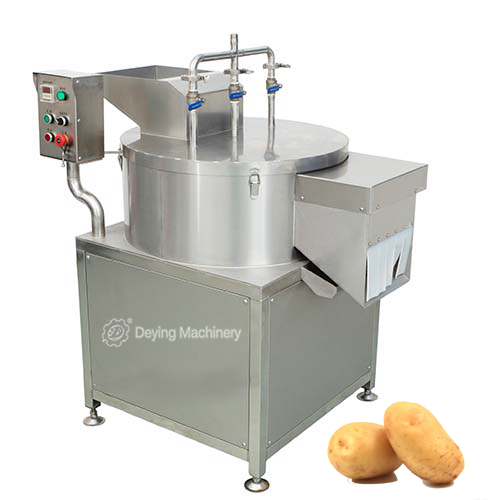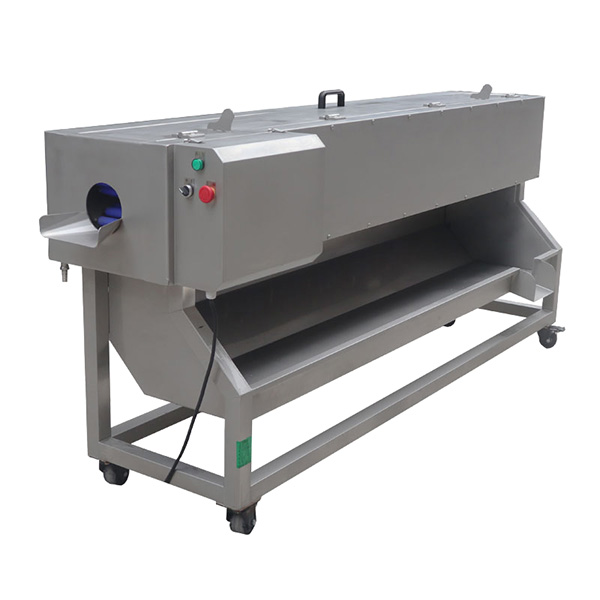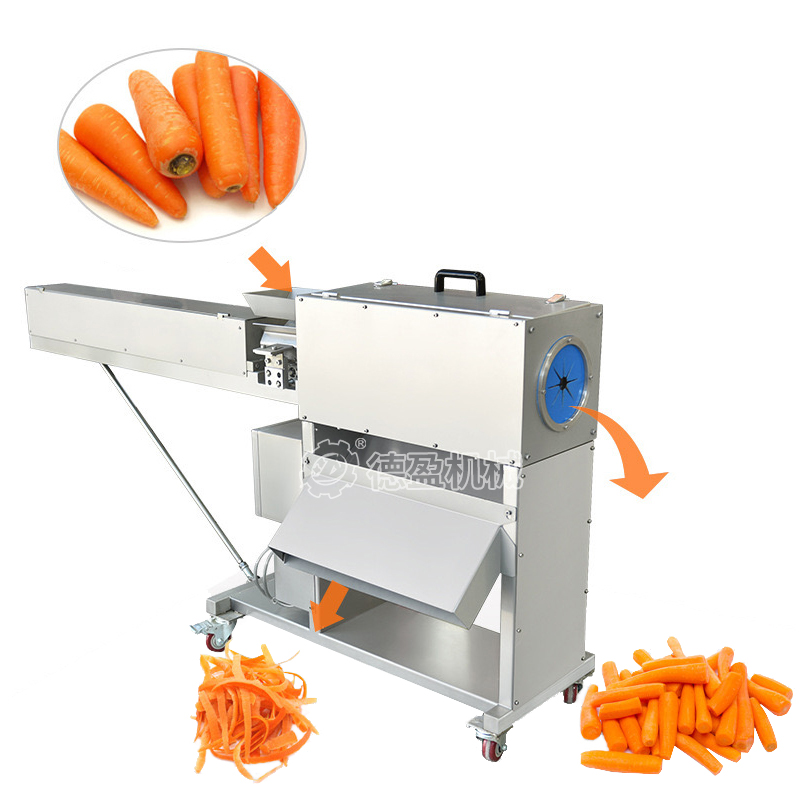






Commercial coconut peeling machines are mainly used in the food processing industry to remove coconut shells and coconut skins efficiently and quickly. They can significantly reduce the time and labor required to manually peel coconuts, improve peeling consistency, enhance safety, reduce costs, and increase production scale. In addition, these machines can handle coconuts of different sizes and types and maintain the quality of coconut meat. They are key equipment for companies processing coconut water, coconut milk, coconut oil, coconut paste and other products.
Commercial coconut peeling machines are efficient and fast, provide consistent peeling quality, are safe, cost-effective, can handle large volumes of coconuts, have great versatility, and have excellent quality control. They can significantly reduce peeling time and labor costs, improve production efficiency, ensure product consistency, reduce the risk of injury, and can adapt to different sizes and types of coconuts to maintain coconut meat quality. They are indispensable equipment in the coconut processing industry.
| Technical Parameters: | |
| Model: | DY-LYBK2 |
| Voltage: | 220/380V |
| Power: | 1.5kW |
| Motor speed: | 1400r/min |
| Number of workstations: | Two |
| Product size: | 1020*550*1000mm |
Product weigh: | ≈150kg |
Usage process:
1. No load test machine: Before starting up, check whether the cyclic rotating peeling device rotates flexibly, and whether the pressing mechanism rises and falls smoothly without foreign objects blocking. After confirming the correct rotation direction of the jog motor, start the no-load operation and observe whether the rotating device rotates smoothly without any shaking or abnormal noise. At the same time, press the no-load lifting button several times to check whether the reset spring and limit are normal. Run without load for 30 seconds, confirm no abnormalities, then shut down and prepare for loading operations.
2. Manual peeling: Take an old coconut, first manually remove the outer layer of the coconut shell, and then operate the cracking head to align with the coconut equator line, slowly press down to break open the hard shell. According to the cutting and breaking resistance, fine tune the blade output and head stroke to ensure that the coconut meat is intact and the shell is not mixed in.
3. Simultaneous operation of two workstations: Each workstation is equipped with independent shell breaking components, which can simultaneously process two old coconuts. Adjust the clamping diameter and shell breaking pressure of the workstation separately before homework to ensure load balance between the two. During operation, pay attention to the total current not exceeding the rated value, arrange inspections, and promptly clean up broken shells. Collaboration between two workstations can double production capacity, but it is necessary to ensure that the feeding specifications are similar to avoid uneven load causing overall machine vibration.
Equipment features:
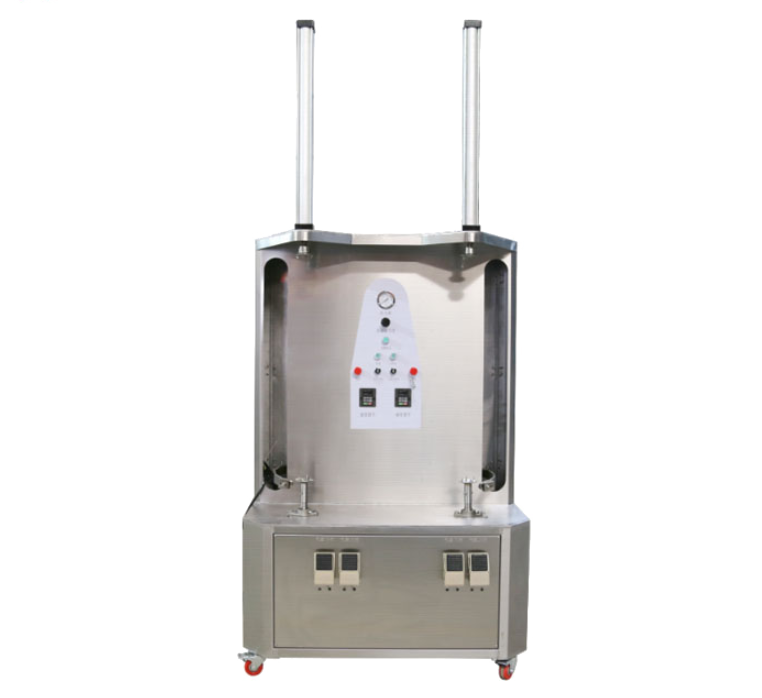
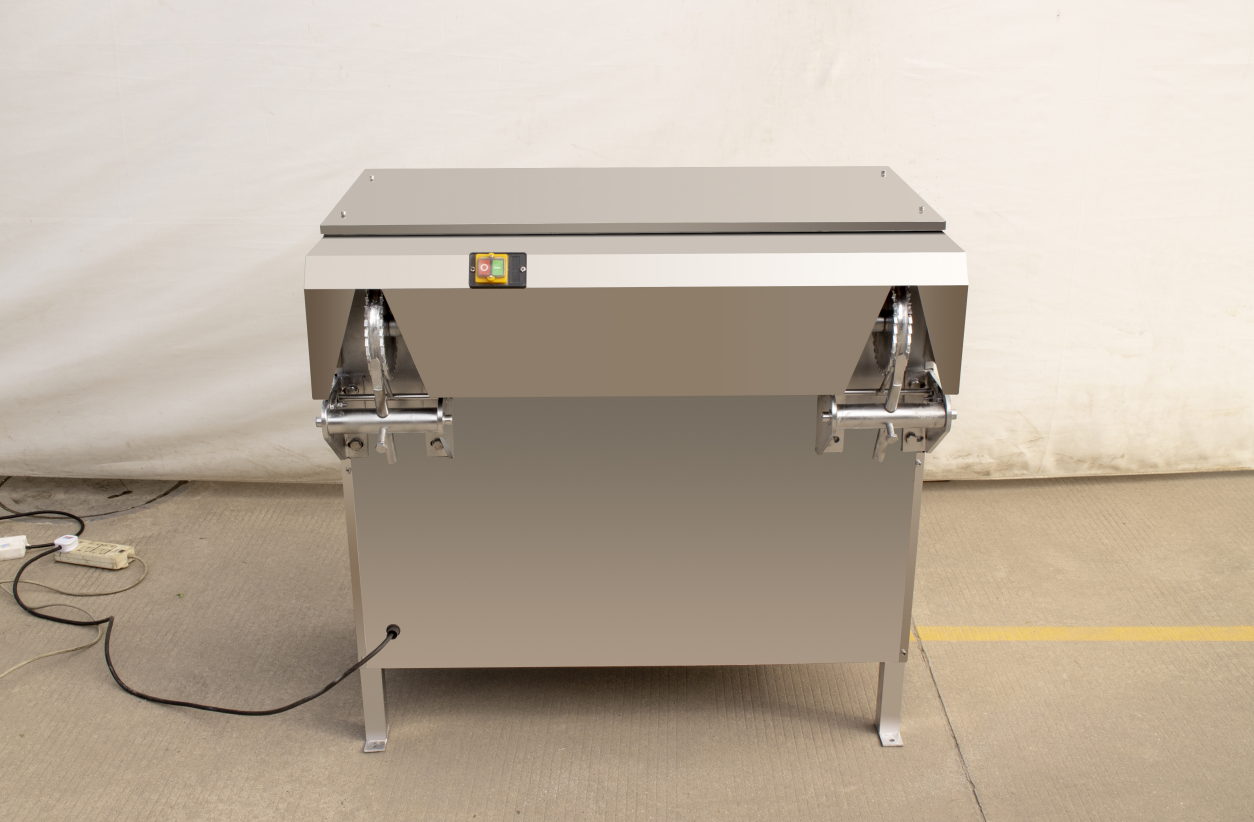
The coconut peeling machine adopts a manual downward pressing design, where the old coconut is manually aligned with the equator and pressed down to fix it. With the help of a circular rotating peeling device, it efficiently cuts and operates intuitively and labor-saving. Dual station independent operation, capable of synchronously processing two coconuts without interfering with each other, significantly increasing production capacity. The blade stroke and head pressure can be manually adjusted to adapt to different sizes of coconuts, ensuring complete coconut flesh and clean separation of shell fragments. The overall structure is compact, easy to maintain, and suitable for continuous commercial operations.
Feature:
Material: The main body of the equipment is made of high-quality 304 stainless steel, which meets the hygiene requirements of food processing; Key components such as the cutterhead, blade, and ejector pin are made of special steel and undergo quenching and hardening treatment, making them sturdy, wear-resistant, and have a long service life.
Peeling technology: using a circular rotating peeling device combined with manual pressing and pressing to operate. Manually align the coconut with the equator and press it down to fix it. Use a high-speed rotating disc and wedge-shaped top material knife to form a squeezing cutting force, which can damage and peel the coconut skin. At the same time, the peeling thickness can be flexibly adjusted to ensure the integrity and minimal damage of the coconut flesh.
Diverse specifications: The equipment offers multiple models and specifications to choose from, and can be customized according to needs. The production capacity is based on the loading and manual peeling operation time of the operators.
Safety certification: The equipment has passed CE, ISO9001 quality management system certification, and patent certification, and is sold well in many countries such as Europe, America, Southeast Asia, and Asia.
Universality and durability
Convenience of operation: The coconut shell remover adopts a manual downward pressing method. Workers can align the coconut with the equator line and press it down to fix it, without the need for complex programming or adjustment. Assist in alignment and reduce operational errors. The processing height conforms to ergonomics, and long-term operation is not easy to fatigue. The dual workstation can operate independently, and two people can work simultaneously without interfering with each other. The efficiency of a single person is high, and new employees can start working after simple training.
Energy saving and environmental friendliness: The motor adopts an efficient and energy-saving type, with pure physical cutting and peeling, no heating or chemical agents required, and no wastewater or exhaust gas generated. Compared to traditional equipment, energy consumption is reduced by about 10%, and long-term operation saves electricity costs. The crushed coconut shells produced during processing can be collected and reused as biomass fuel or organic fertilizer, achieving resource utilization, meeting the requirements of green and environmentally friendly processing, and helping enterprises achieve sustainable development.
Modular design: The entire machine is composed of independent modules such as a rack, a rotating peeling assembly, and a motor. Each module is connected using standard interfaces, making it easy to disassemble and assemble. Peeling blades and other vulnerable parts can be quickly replaced without the need for specialized tools. When one of the modules fails, it can be repaired or replaced separately without affecting the overall use of the machine and reducing maintenance costs. The modular structure also facilitates later functional expansion, such as installing automatic feeding and discharging devices.
Simplify the operational process
Manually align the old coconut with the equator line, place it on the circular rotating peeling device, press and fix the coconut directly with your hand, and rotate the cutting disc to cut the coconut skin on that side; After single-sided peeling is completed, manually flip the coconut, align it with the equator, press and fix it again, and cut the remaining parts face by face until all the coconut skin is removed. Dual station independent operation, two people can work simultaneously without interfering with each other. The entire process does not require complex settings or tools, and single fruit processing only takes tens of seconds. New employees can be trained in half an hour to become proficient.
Suitable for various processing industries
Coconut Juice and Coconut Milk Beverage Factory: Quickly remove coconut skin and shells to obtain fresh coconut meat for juice extraction and coconut milk blending, ensuring the freshness of raw materials and juice yield.
Coconut milk, coconut powder and baking raw material factory: After shelling, coconut meat can be crushed and dried to make coconut milk and coconut flour, which are widely used in baked goods such as pastries and candies.
Fresh Coconut Retail and Catering Chain Store: On site peeling and opening of shells for customers, making fresh coconut drinks or coconut jelly, improving production speed and ornamental value, and meeting instant food needs.
Specialized Scenarios
Designated service of agricultural product initial processing cooperatives: In towns where coconut planting is concentrated, cooperatives set up designated processing points, and surrounding farmers send the harvested old coconuts for unified peeling. The equipment is efficient and durable, with strong stability for continuous operation, suitable for batch processing; The manual pressing and flipping methods can adjust the force at any time to meet the processing needs of different sizes of coconuts.
Research institutions and field trials of coconut variety breeding: Agricultural research institutions need to observe the quality of coconut meat by peeling off a large number of test samples one by one when conducting coconut variety breeding or disease resistance experiments. The manual pressing method of the equipment can finely cut each side, avoiding damage to the internal coconut meat and ensuring detection accuracy; Convenient for flexible deployment in fields or simple laboratories, meeting the sampling needs of small batches and high frequencies in scientific research.
Frequently Asked Questions
How to solve the problem of unstable coconut pressing and slipping during coconut peeling machine processing?
The surface of the coconut may be wet and slippery, or the shape may be too rounded. Firstly, use a knife to clean the remaining coconut clothes at the equator line to ensure that the pressed area is dry; When pressing, place your palm at the center of the top of the coconut and apply vertical force. Use the frictional force of the rotating device to drive the coconut to rotate evenly, avoiding displacement caused by one-sided force.
How to solve the problem of obvious shaking or abnormal noise during the operation of coconut shell remover?
The lack of oil and wear on the bearings of the rotating device, the attachment of coconut skin fragments on the cutterhead causing dynamic balance imbalance, or the loosening of the transmission belt. Firstly, it is necessary to shut down and clean the attachments on the cutterhead and rotating device; Check each bearing position and add lubricating grease; If the belt is too loose, adjust the tensioner or replace the belt. Check if the anchor bolts are loose and tighten them again before continuing with the operation.
Maintenance method:
Daily maintenance: Before starting work, check that there are no foreign objects in the rotating device and pressing area of the cutterhead, and conduct a trial run to confirm that it is operating normally. Clean up coconut skin debris adhering to the gaps between the devices in a timely manner during homework. After homework, rinse the contact surface of the machine body with a high-pressure water gun, dry off the moisture, check whether the blade edge is damaged, and replace it in a timely manner if there is wear. Check if all fastening bolts are loose.
Zhou maintenance: Clean the dust inside the motor heat sink and electrical control box to ensure good heat dissipation. Check the tension of the drive belt, adjust the tensioner if it is too loose. Add high-temperature resistant lubricating grease to each rotating bearing and spindle seat. Check the wear of the pressing positioning surface and confirm that there are no obvious pits on the surface. Check for damage and aging of the power cord and switch, and ensure reliable connection of the grounding wire.
Monthly maintenance:
Thoroughly inspect all connecting bolts and foundation bolts of the entire machine, and re tighten them. Remove the cutterhead, check the fit clearance between the cutterhead and the spindle, and replace the bearing if the wear exceeds the standard. Clean the debris and oil mixture at the bottom of the rotating device.
Safety Reminder
Do not open the cover or reach inside the machine during operation.
If there is a jamming, power off first and then handle it.
Why Choose Deying Machinery?
-Factory-Direct: Integrated manufacturing & trading for efficient, direct communication.
-Custom Solutions: Tailored processing equipment to meet your specific production needs.
-Global Network: Supported by worldwide distributors for seamless after-sales service.
-Learn more about us:https://www.dyfoodmachines.com/about-us/

Dongguan De Ying food machinery Co., LTD


Copyright © 2026 Dongguan Deying Food Machinery Co., Ltd All rights reserved.