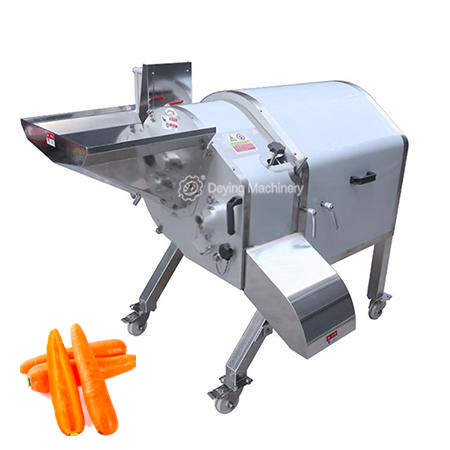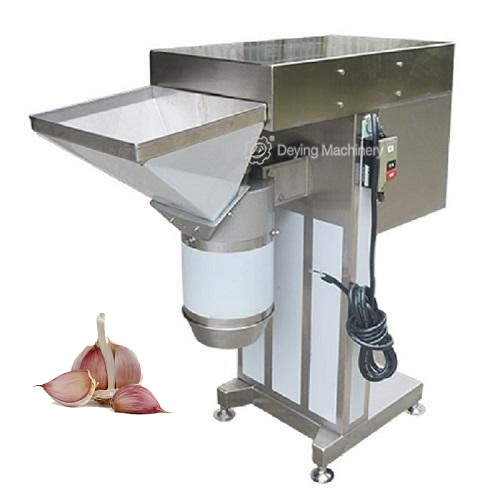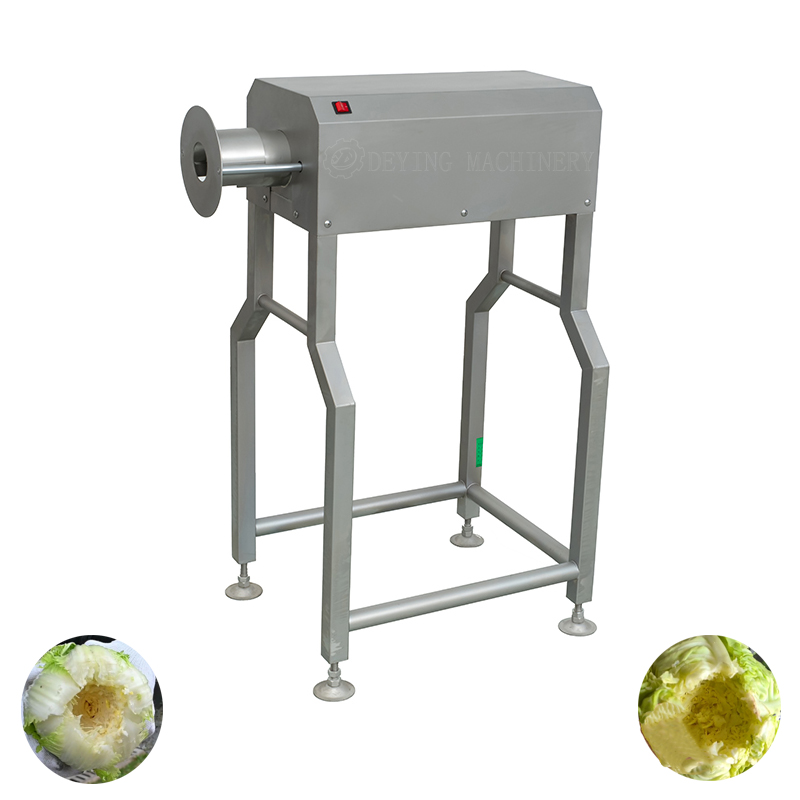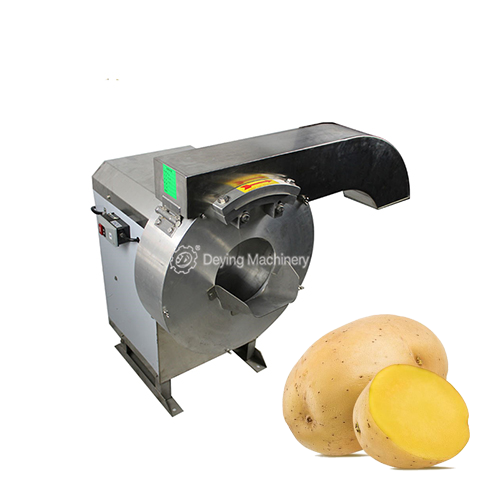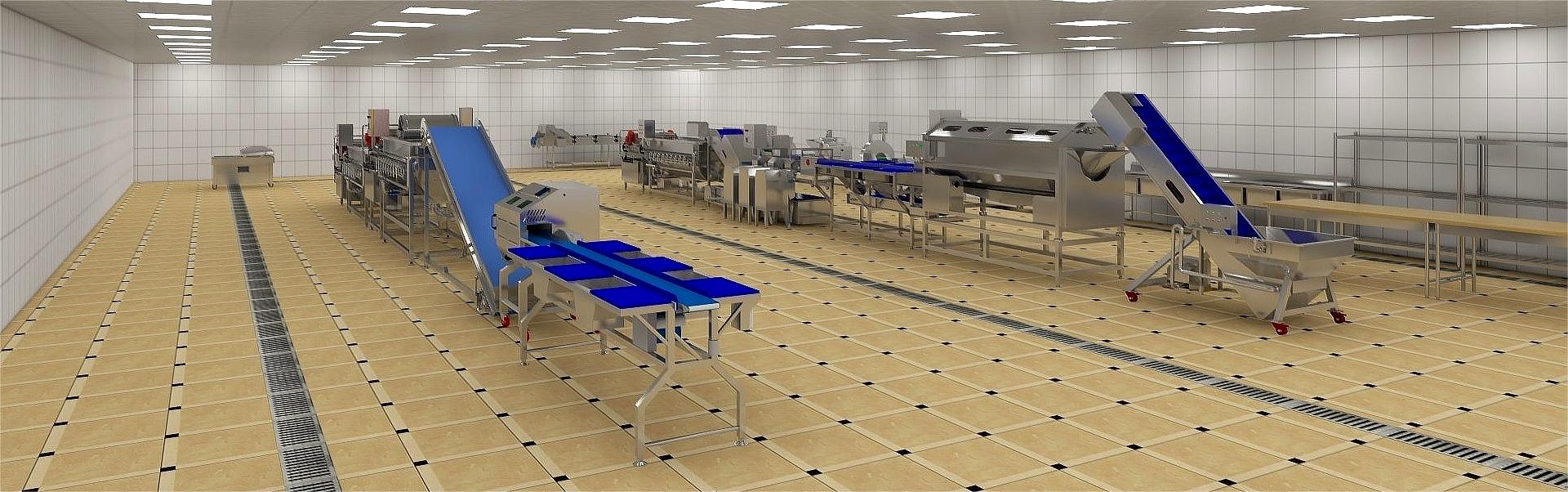
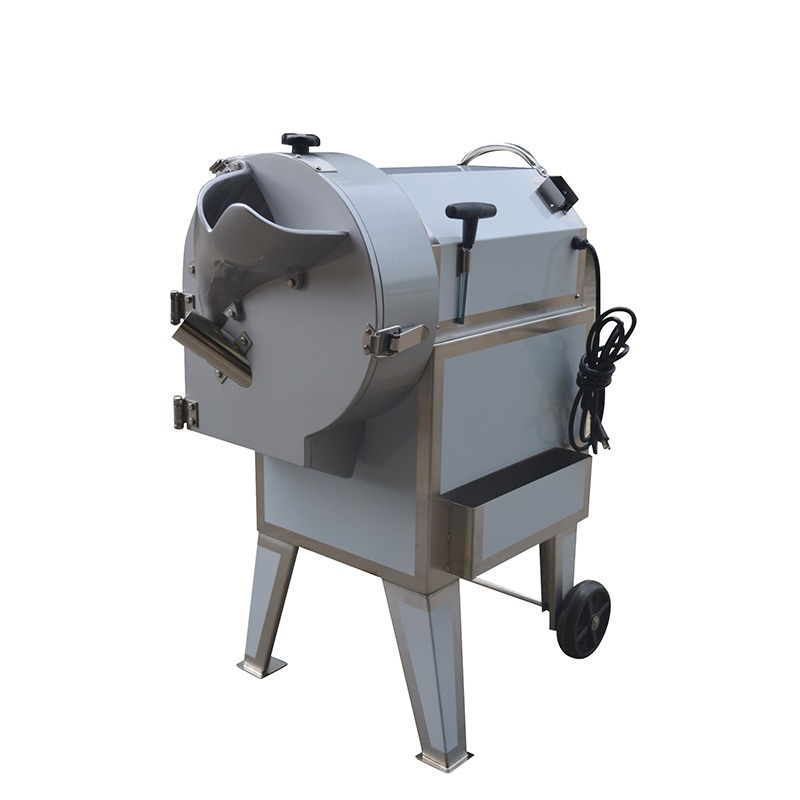
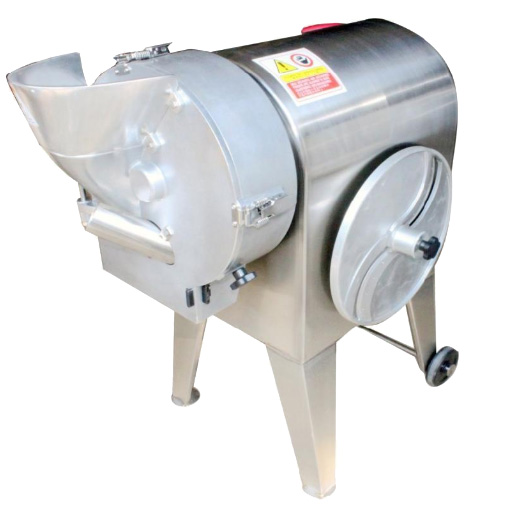
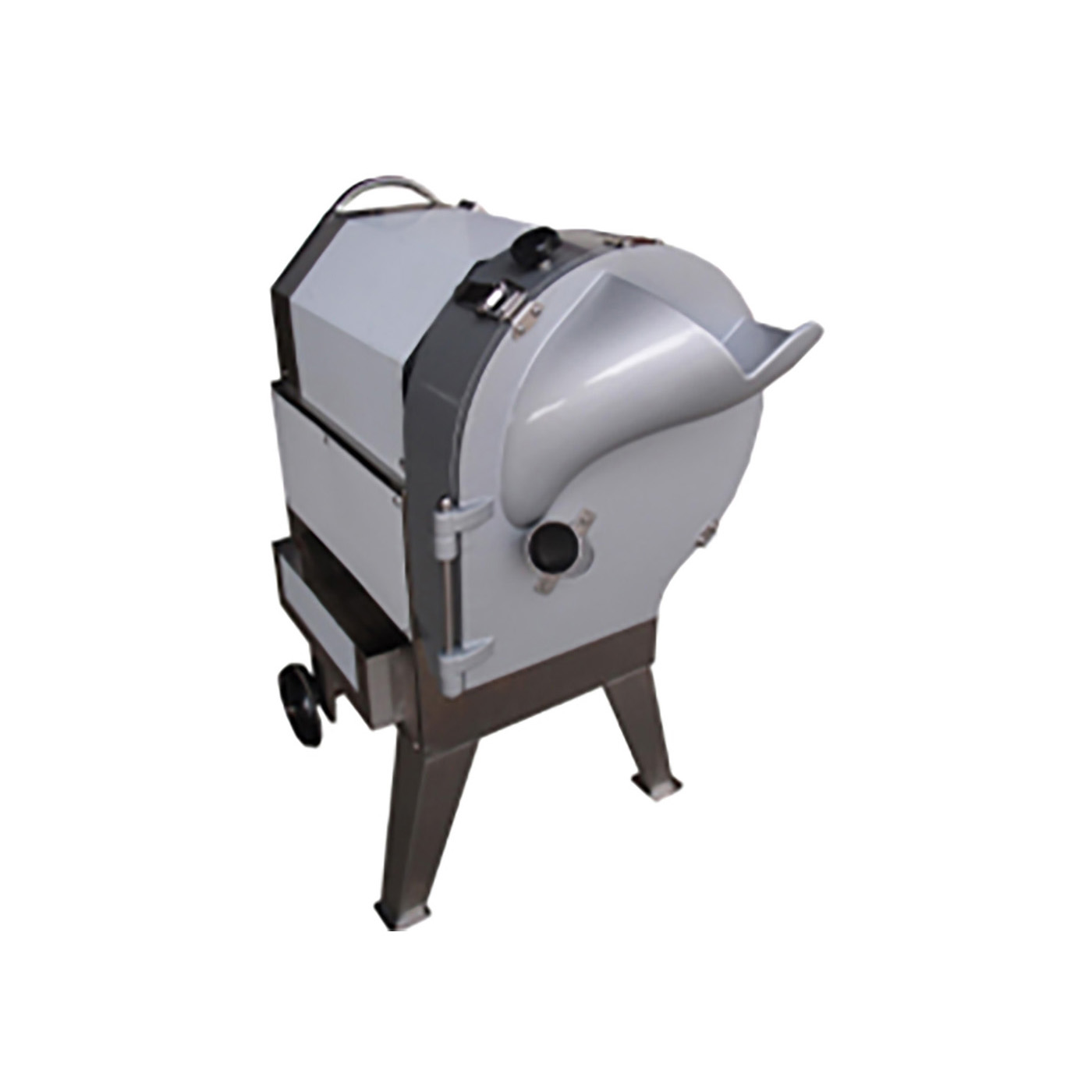
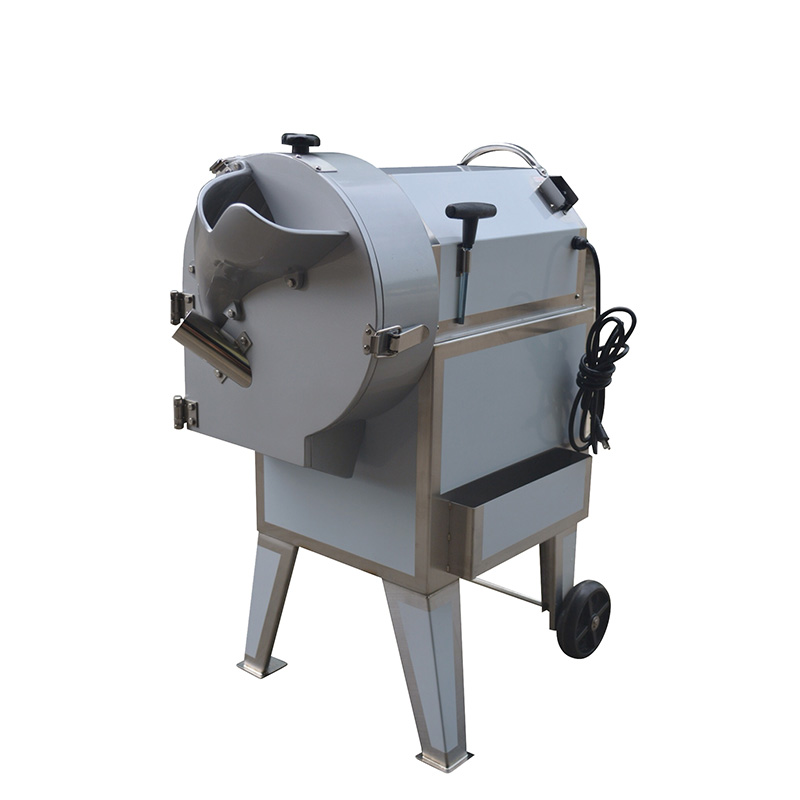






Usage: Commercial vegetable cutting machine can be used to cut roots and stems, such as potatoes, sweet potatoes, melons, onions, eggplants, into slices, strips, square cloves, etc. at once.
Features: By replacing the cutterhead, products of different specifications and shapes can be cut, with simple operation and easy cleaning; The root and stem cutting disc is made of magnesium aluminum alloy material, which is superior to most similar products.
| Technical Parameters: | |
| Overall dimensions: | 750×520×900mm |
| Voltage: | 220V |
| Power: | 0.75kW |
| Production: | 200-600kg/h |
| Slicing: 1-10mm; Sticking: 2-10mm; Dicing: 6/8/10/12/15/20/25mm, randomly equipped with one set of cutting discs. | |
| Customization: | customizable |
Use process:
No-load machine test: before connecting the power supply, check whether the fasteners of the equipment are loose and whether there are foreign matters in the cutterhead. Start the machine after confirmation and run it for 1-2 minutes without load. Carefully observe the equipment for abnormal vibration, noise or jamming; Also verify that the cutter is turning in the correct direction (typically counterclockwise as viewed from the feed port). Feeding and trial cutting can be carried out after each part operates stably without abnormality.
Feeding at constant speed: After the machine runs stably, the cleaned and peeled rhizome vegetables (such as potatoes and turnip) shall be fed continuously and at constant speed from the upper feed opening of the charging barrel. The feeding speed shall be uniform and shall not be too fast or too much at one time to avoid material jam or blade damage. For larger root vegetables, cut in advance into large pieces that can be put into the hopper. The corresponding cutterhead can be replaced according to the required finished product specification (sheet, thread and header).
Automatic discharging: materials are cut under the centrifugal force of high-speed rotating cutter, and the cut pieces, wires or headers will be thrown out from the discharging opening automatically. Before operation, place the material receiving frame or butt conveyor belt under the outlet in advance, so that the finished products can be collected automatically and enter the next process. Observe whether the discharging meets the specification requirements during the processing. If not, adjust the blade or replace the cutterhead in time.
Equipment characteristics:
SUS304 stainless steel is adopted for machine frame, which is solid, durable and easy to clean. One machine for multiple purposes. Slicing, cutting, chopping and other cutting specifications can be realized by quickly changing the cutterhead. The cutting surface shall be flat and smooth, and the forming shall be regular, which can better keep the fresh vegetable tissue. Easy and safe operation, equipped with waterproof switch and door cover open and stop protection device.
Features:
Material: The whole machine is made of high-quality SUS304 stainless steel, and the body, hopper and outlet are corrosion resistant and rust-proof, meeting the hygiene standards for food processing. High-hardness stainless steel is selected as the cutter and cutter head. Through heat treatment process, the cutting edge is sharp and wear-resistant. It is not easy to roll the cutting edge when cutting roots hard vegetables for a long time, so as to ensure stable cutting quality.
Advanced centrifugal cutting technology: use the centrifugal force generated by high-speed rotating cutter head to automatically and evenly throw the input materials to the cutter edge, so as to achieve continuous and fast cutting. With this technology, there is no need of manual pushing, the contact time between materials and blades is very short, the cutting section is smooth, the tissue damage is small, and the juice loss is effectively reduced. With multiple sets of blades and interchangeable cutter heads, it can easily switch the specifications of wire, sheet and butane, with high production efficiency.
Safety protection and convenience: safety protection cover at the feeding inlet and splash cover at the discharging outlet are provided. When the door cover or protection cover is opened, the machine will be automatically powered off and stopped to ensure safe operation. The control panel is designed to be waterproof and moisture-proof for easy flushing. The cutter head is replaced without tools, and the manual quick buckle is installed for easy removal. Compact structure, no sanitary dead angle, saving time and labor for daily cleaning and maintenance.
Safety certification: The equipment has passed the CE, ISO9001 quality management system certification and patent certification, and is popular in Europe, Europe, America, Southeast Asia and Asia.
Versatility and durability
Processing structure (core): the core of root chopping machine is composed of rotating cutter, multiple sets of fixed cutters and replaceable cutting die. When the material enters the cutting chamber, it clings to the cutter head under the action of centrifugal force, and is instantly cut and formed through the arc cutting edge. The cutter head is equipped with a screw cutter, a slicing cutter or a header cutter set. By adjusting the blade gap or changing the die, the thickness and size of the finished product can be controlled to ensure uniform cutting and regular forming.
Drive and feeding/discharging mechanism: the power is reduced by the motor through the belt or gear to drive the spindle to rotate and drive the cutterhead to rotate at high speed. The feed inlet is designed with inclination, and gravity and centrifugal force are used to realize automatic feeding at constant speed without manual pushing. The discharge outlet is connected with the centrifugal discharge channel, and the cut materials are automatically discharged along the trend, which can cooperate with the continuous operation of the conveyor belt and effectively improve the production efficiency of the assembly line.
Modular design: the whole machine is divided into three modules: power base, cutting assembly and discharge cover, and each module is connected by quick release. When changing the cutting specification, just disassemble the cutterhead module as a whole and replace it with the corresponding thread, sheet and die, without adjusting the transmission system. The modular layout facilitates local maintenance and independent cleaning, and supports the adaptation of different power motors according to different output requirements.
Simple operation process
Check whether the cutterhead is firmly installed before startup, and confirm no abnormality after 1-2 minutes of no-load test run. Select and install corresponding cutterhead according to the required specification (sheet/thread/header). Start the machine, put pretreated rhizome vegetables from the feeding port continuously and at a constant speed, and the materials are automatically discharged from the discharging port after centrifugal cutting. Turn off the power supply after processing, remove the cutterhead and shield, clean and wipe with clean water, and pay attention to the waterproof of electrical parts. The whole process is simple and fast without professional training.
Applicable to various processing industries
Fast food chains and restaurants: processing such root vegetables as potatoes and radish for each branch, and cutting and matching the specifications uniformly to ensure the consistency of the food products. Efficient cutting replaces labor, greatly saving labor cost and meeting the demands of large-scale food supply.
Processing enterprise of quick-freeze and dehydrated vegetables: sliced or cut carrot, potato, etc. into frozen or dehydrated vegetables through blanching, quick-freeze or hot air drying. Uniform cutting is beneficial to subsequent curing and drying effect, and ensures good water recovery and stable quality of finished products.
Pickled vegetables and condiments processing plant: it is used for the cutting or chopping of pickled raw materials such as radish, mustard and ginger. The cutting surface is smooth, which is conducive to salt penetration and fermentation uniformity. The stainless steel of the equipment is resistant to salt water corrosion, meeting the sanitary and durability requirements for production of pickled vegetables.
Installation and commissioning
The equipment shall be placed on flat and solid ground, with operation and maintenance space reserved around. Before connecting the power supply, confirm that the voltage is consistent with the motor nameplate and reliably grounded. Check whether the fastening bolts are loose, whether the cutter head and blade are installed in place, and rotate the main shaft to ensure no clamping stagnation. The feed inlet and outlet shall be free of debris blockage, and the position of conveyor belt or material receiving frame shall be adjusted properly to ensure smooth discharge of materials.
Start the machine with no load, observe whether the rotation direction of the cutter head is correct (generally counterclockwise), and change the power phase line in case of any error. Operate for 1-2 minutes and listen for abnormal sound or vibration. If any, check the tightness of bearing and belt. After shutdown, use a small amount of test materials (such as potatoes) for trial cutting to check whether the cutting specifications meet the requirements. In case of thickness or dimension deviation, adjust the blade gap or replace the corresponding cutter head until the finished product is uniform.
Frequently Asked Questions
How to solve the problem of uneven cutting specification or excessive chips when processing with commercial chopping machine?
Main causes: Blurred blade wear or loose cutter head installation. Firstly, check and tighten the bolts of the cutterhead after shutdown. If the cutting edge is notched or rounded, polish it with an oilstone or replace it with a new blade. Meanwhile, ensure that the clearance between the cutterhead and the die is even.
How to solve the abnormal vibration or noise of the machine during the processing of the cutting machine?
Main causes: lack of oil in bearing, too loose belt or dynamic balance of cutter head. Firstly, check and adjust the belt tension, and add proper amount of lubricating oil to the bearing. If the vibration continues, check whether the cutterhead is collided or deformed, and calibrate or replace it if necessary.
Mode of maintenance:
Daily maintenance: cut off the power supply, disassemble the cutterhead, shield and discharge port, wash the residual material residues with a high pressure water gun, and focus on cleaning the cutterhead back and cutter gap to prevent scaling. Wipe the machine body with wet cloth. Do not directly flush the motor and electric cabinet. Check the blades for any minor notches or rolling edges, and if any, grind them in time. Make sure that the fasteners are not loose and dry the parts for standby.
Regular maintenance (weekly/monthly)
Check the belt tightness every week, adjust the tensioning wheel properly, and clean the motor cooling fin and air inlet filter screen to ensure good ventilation. Monthly check the lubricating oil level of main shaft bearing and gearbox, and supplement food grade lubricating grease. Calibrate the clearance between the cutterhead and the cutting die, and replace it in case of serious wear. Check the reliability of electric control circuit and grounding, fasten all bolts, and thoroughly clean and disinfect the whole machine to ensure long-term stability.
Safety reminder
Do not open the cover or reach into the machine while it is operating.
In case of material jam, cut off the power first and then handle it.
Why Choose Deying Machinery?
-Factory-Direct: Integrated manufacturing & trading for efficient, direct communication.
-Custom Solutions: Tailored processing equipment to meet your specific production needs.
-Global Network: Supported by worldwide distributors for seamless after-sales service.
-Learn more about us:https://www.dyfoodmachines.com/about-us/

Dongguan De Ying food machinery Co., LTD


Copyright © 2026 Dongguan Deying Food Machinery Co., Ltd All rights reserved.


 PDF
PDF